

The hidden risks of hair dyeing: Understanding its impact on health and how to protect yourself
Hair dyeing has become a common way for individuals to enhance their appearance, whether to cover graying hair, try out a new color, or express personal style.
However, behind the vibrant shades and glossy finishes lies a complex chemical process that can have significant effects on both the hair and the health of those who use it. Understanding how hair dyeing works and the potential risks involved is important for anyone considering changing their hair color.
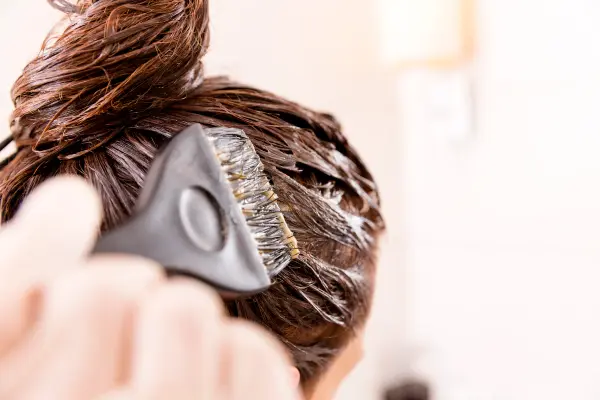
The process of hair dyeing involves applying chemicals to the hair’s outer layer, called the cuticle, which allows the dye to penetrate the inner cortex where melanin, the natural pigment, resides. Depending on the type of dye used, the chemicals either deposit color or strip away the existing pigments.
Permanent hair dyes typically contain ammonia, hydrogen peroxide, and paraphenylenediamine (PPD), which can cause reactions in certain individuals. Semi-permanent and temporary dyes, on the other hand, coat the hair without altering its structure as deeply, making them a less invasive option.
The primary chemicals used in hair dye can pose various health risks. Ammonia is one of the most common ingredients, responsible for opening the hair shaft and allowing the dye to penetrate.
However, it can be a strong irritant, causing respiratory issues, skin irritation, or allergic reactions, particularly with frequent exposure. Breathing in ammonia vapors during the dyeing process can lead to throat or eye irritation, dizziness, and headaches.
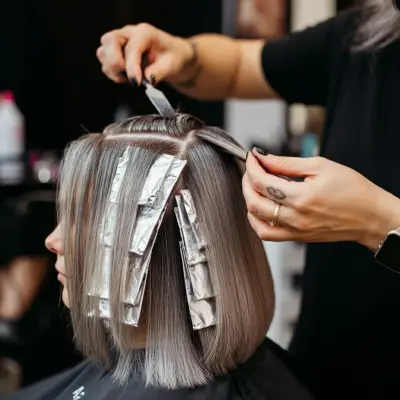
Hydrogen peroxide, often used in permanent dyes to lighten hair, can also damage the hair by causing dryness and brittleness. Over time, repeated use of hydrogen peroxide can lead to breakage and split ends, leaving hair looking unhealthy.
Another significant chemical in hair dye is PPD, a compound used in permanent hair color that has been linked to allergic reactions. While these reactions can be relatively mild, such as itching or swelling, in some cases they can become severe and result in anaphylaxis, a life-threatening condition that requires immediate medical attention.
People who have a history of allergies to chemicals or sensitive skin are especially at risk when using dyes that contain PPD. Some other chemicals, like resorcinol, can also cause irritation or allergic reactions, raising concerns about potential long-term health effects, including hormone disruption.
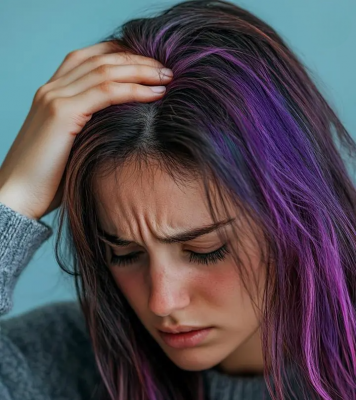
Although most people can dye their hair without experiencing major health issues, there are potential risks, particularly for those who dye their hair frequently. One of the most common health concerns is allergic reactions, which can manifest as skin rashes, itching, and swelling on the scalp or neck.
In some rare cases, these reactions can become more serious, causing difficulty breathing or anaphylactic shock. The skin on the scalp is thinner than on other parts of the body, making it more susceptible to irritation from the chemicals in hair dye. Prolonged exposure to these chemicals may lead to skin sensitivity or contact dermatitis.
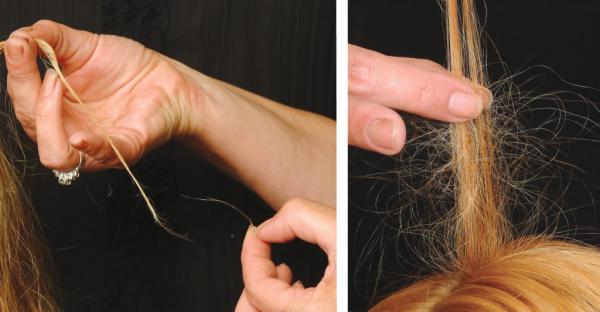
Repeated use of hair dye can also cause lasting damage to the hair. The chemicals in dye can weaken the hair shaft, making it dry, brittle, and prone to breakage. The hair’s cuticle can become damaged, which may cause it to appear dull and unhealthy over time.
Another area of concern is the potential link between hair dye chemicals and certain cancers. Some studies have suggested a slight increase in the risk of bladder cancer and non-Hodgkin lymphoma among long-term users of hair dye, though the findings are not conclusive.
While research is ongoing, it is clear that the more frequently an individual dyes their hair, the greater the risk of exposure to potentially harmful chemicals.
There are also worries about hormonal disruption due to some of the chemicals in hair dye. Certain ingredients can mimic hormones in the body, potentially affecting the endocrine system.
Although more studies are needed to fully understand the extent of this risk, it remains a valid concern for individuals who frequently use chemical hair dyes, especially those in darker shades.
Despite these risks, there are ways to minimize the negative effects of hair dye. One of the simplest precautions is to always perform a patch test 48 hours before using a new dye, even if you have dyed your hair before. This test can help identify any allergic reactions early and prevent severe consequences.
Another way to reduce risks is by limiting the frequency of hair dyeing. The less often you expose your hair and skin to harsh chemicals, the lower the chance of adverse effects.

Additionally, semi-permanent dyes are often less damaging than permanent dyes, as they do not penetrate the hair shaft as deeply and tend to contain fewer harsh chemicals.
Choosing products with fewer harmful chemicals can also make a significant difference. Many hair dye brands now offer ammonia-free, PPD-free, or natural alternatives, which are generally gentler on both the hair and the scalp.
If you're concerned about potential health risks, opting for these safer options is a wise choice. During the application process, it's also important to protect the skin by wearing gloves and applying a barrier, such as petroleum jelly, around the hairline to minimize direct contact with the dye.
After dyeing your hair, be sure to use nourishing shampoos and conditioners to restore moisture and protect your hair from further damage. Products that are designed to repair and hydrate the hair can help reduce the effects of dryness and brittleness caused by dyeing.
In conclusion, while hair dyeing is a popular and effective way to alter one’s appearance, it is not without its risks. By understanding the chemicals involved and taking precautions, you can enjoy the benefits of dyed hair without compromising your health.

If you are unsure about the potential effects on your skin or hair, or if you have a history of allergies, it may be best to consult with a dermatologist or choose natural, gentler alternatives.


