Lynda Carter: The timeless legacy of the original Wonder Woman
In the 1970s, a new superhero emerged on television who would leave a lasting mark on pop culture and inspire generations of fans. That superhero was Wonder Woman, and the actress who portrayed her, Lynda Carter, became an iconic figure.
With her strength, beauty, and unwavering sense of justice, Carter’s version of Wonder Woman became not only a beloved TV character but also a symbol of female empowerment at a time when traditional gender roles were being questioned.
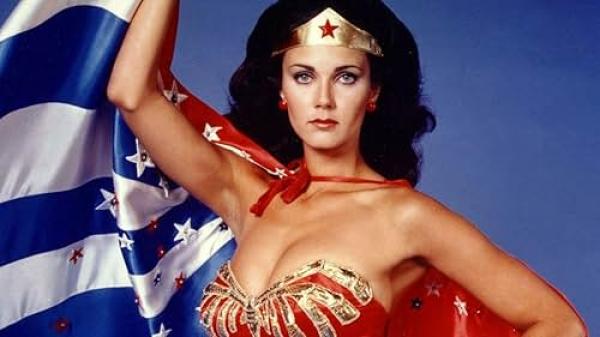
Before landing the role of Wonder Woman, Lynda Carter was largely unknown in Hollywood. Born in 1951 in Phoenix, Arizona, she had a background in beauty pageants, having won the Miss World USA title in 1972.
Though she had appeared in a few TV shows before her breakthrough, it was her portrayal of the Amazonian princess in 1975 that catapulted her to fame. The success of The New Original Wonder Woman television special led to a full series, which ran from 1976 to 1979.
Carter’s portrayal of the superhero made her a household name, and her Wonder Woman became a defining cultural figure of the decade.
Wonder Woman, portrayed by Carter, was an empowering symbol for women. Unlike many female characters of the time, Wonder Woman was strong, independent, and brave. She was a superhero who could match her male counterparts in strength and skill, yet her story wasn’t just about fighting crime—it was about making the world a better place.
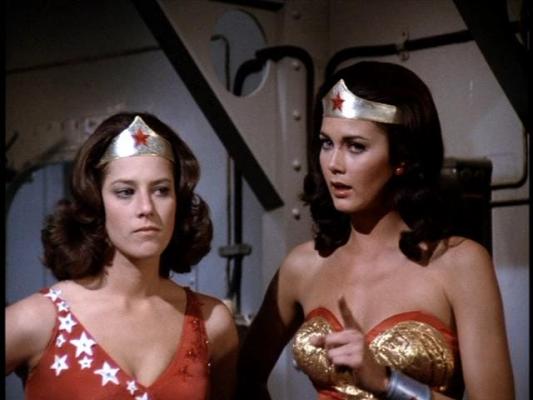
Her alter ego, Diana Prince, worked as a secret agent, using her intelligence and compassion to navigate challenges and fight for justice. Wonder Woman’s character resonated with viewers, especially young girls, who saw in her a role model of strength and fairness.
Carter’s dedication to the role was clear from the beginning. To accurately portray Wonder Woman, she underwent intense physical training to perform many of her own stunts, which included flying, combat scenes, and high-intensity action.
This level of commitment set her apart from other actresses and showcased her determination to bring the character to life in a way that was both authentic and inspiring. Wonder Woman’s signature abilities—superhuman strength, the power to fly, and the ability to deflect bullets with her bracelets—were showcased with athleticism and elegance, elements that Carter embodied effortlessly.
The Wonder Woman TV series also helped redefine the superhero genre. While the 1970s saw several action-packed shows featuring male heroes like The Six Million Dollar Man, Wonder Woman stood out because of its focus on female power. Her storylines were a mix of adventure, fantasy, and mythology, with the first season set during World War II.
Later, the show shifted to a more modern setting, allowing it to address contemporary issues while maintaining its sense of adventure. Carter’s portrayal of Diana Prince/Wonder Woman brought a new level of depth to superhero television, blending action and emotion in a way that had rarely been seen.
Though the series ended in 1979, the impact of Lynda Carter’s Wonder Woman continued to resonate in popular culture. She became a trailblazer for female superheroes, offering a representation of power, justice, and equality that was rare at the time.
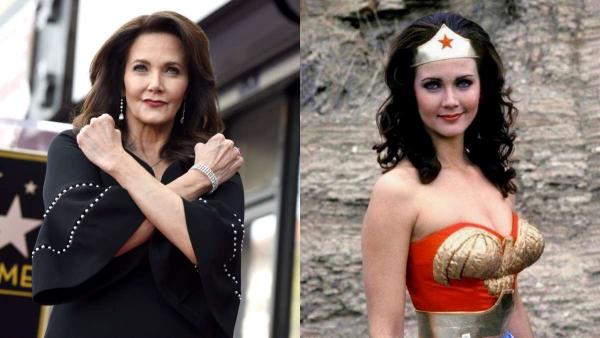
Wonder Woman was more than just a crime fighter—she was a symbol of integrity and an early icon of the feminist movement. Carter’s portrayal of Wonder Woman helped pave the way for future female characters in comics, TV, and film, creating a lasting legacy for the character and for women in media.
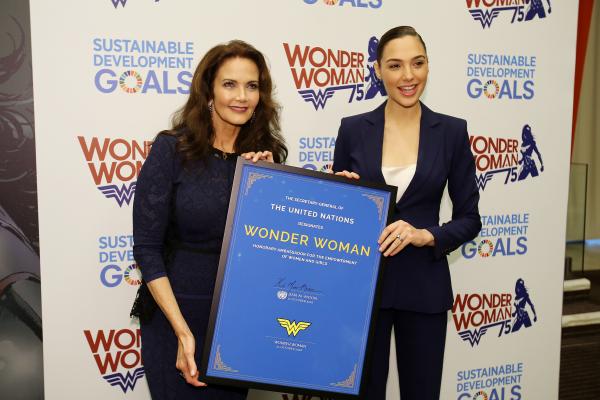
Carter’s connection to Wonder Woman didn’t end when the show finished airing. She continued to embrace her role as the original Wonder Woman, making guest appearances in later television shows and even appearing in cameos in modern adaptations of the character, including the 2017 Wonder Woman film.
Her involvement in the character's continued popularity solidified her place as the quintessential Wonder Woman in the eyes of many fans, and her legacy as a pioneer for female superheroes is undeniable.
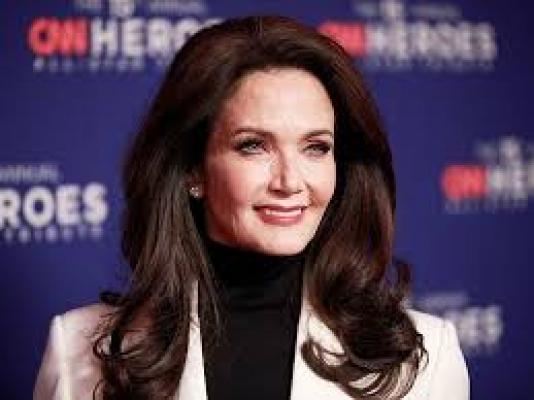
Though the original Wonder Woman series wrapped up long ago, its cultural significance is still felt today. Lynda Carter's performance as the superhero helped shape the way women are portrayed in media and continues to inspire not just fans of the original show, but also those who grew up with newer iterations of the character.
Carter’s Wonder Woman wasn't just a superhero in a comic book—she became a symbol of hope, strength, and equality that transcended the television screen and left an indelible mark on the world of entertainment.