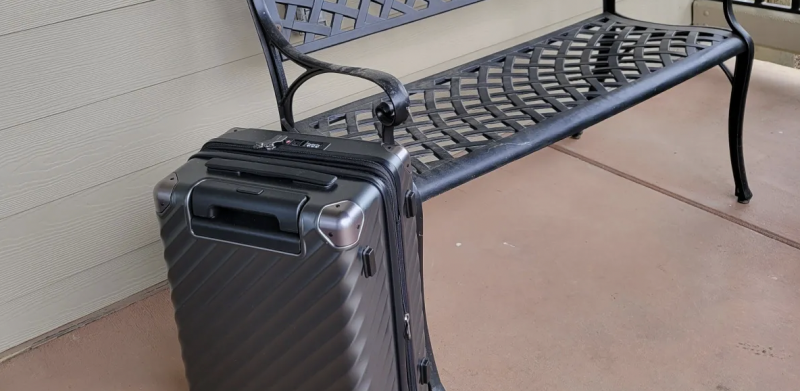
My husband had been taking his female colleagues to the woodland cabin I inherited from my mom – and he had no idea what was about to happen.
My husband used my mother’s cabin to cheat on me with his coworkers, but catching him was just the beginning. Then I discovered his betrayal and his true nature.
I’m Ashley, 33 years old, born and raised in western Massachusetts. During the day, I work as a contract analyst, buried in spreadsheets and deadlines. When the noise becomes unbearable, when the traffic, the people, and the office gossip close in, I don’t escape to a yoga class or a bar. I go to my mother’s cabin. Or rather, I used to.
My mother passed away three summers ago. I still remember that day like it was yesterday. I had just turned 30 that summer. Cancer took her from me. It came quickly and stayed. She was 57, stubborn, and soft in all the right places.
The cabin was her refuge, a two-room pine house, hidden between a maple grove and a creek that sang year-round. She called it her “quiet house,” and she wanted it with all her soul.
When she left me the cabin, it wasn’t about the deed or the keys. It was sacred. The porch creaked like a tired smile; the wood stove coughed more than it warmed, and the roof sighed under the weight of so many seasons.
Still, it was the only place in the world where I could hear my own thoughts, or rather, hear my mother’s voice when I couldn’t bear my own.
I kept everything the way she left it. Her quilt was folded on the sofa. A faded jar of lemon balm sat in the window like an altar. The chipped green mug we used during blackberry season was still on the shelf. It was mine to protect, and I never, not once, invited Liam to share it.
Liam, my husband, is 34. He’s charming and tall, always warm to the touch. He’s the kind of man who can make a room feel smaller just by walking in. But he hated the cabin.
“It’s too far,” he said the first time I invited him.
“It doesn’t have Wi-Fi. There’s no food delivery. Babe, you spend more on gas than you’d save on therapy.”
He liked electric fireplaces and sushi apps. I liked the dead silence and the smell of wood smoke on my clothes.
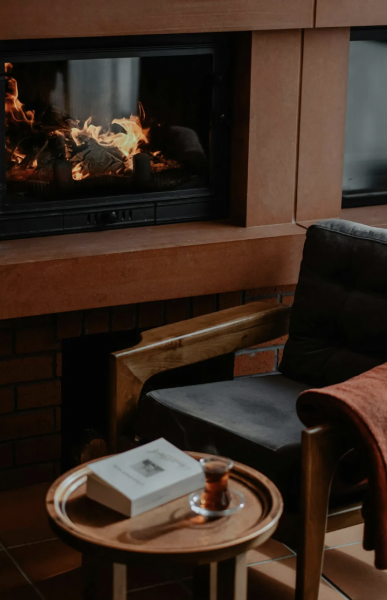
So, I kept the cabin just for me, until I found out I wasn’t the only one.
It was a Tuesday, the kind of day that fills the soul with exhaustion. A client yelled at me for almost an hour over a delayed contract. Madison, the project lead, stole my idea and was praised in the team meeting.
Then, a flipped-over truck blocked the road entrance for three hours on my way home. I was so drained I couldn’t think. I needed the cabin, like a drowning person needs air.
I sent Liam a message, not thinking much.
“I’m going to the cabin for a few hours — should I be back for dinner?”
No reply. Okay. He must have been stuck in a meeting.
I threw my bag in the back seat, grabbed a rag, and hit the road. The drive itself is like a slow sigh. The leaves change color on the way, as if even the trees know how to let go. I remember finally relaxing when I turned onto the gravel road.
Then I saw it.
His car. Parked crookedly at the entrance, like he had already been there. My chest sank in on itself.
He hated the cabin.
He never came here. Never. Not even when I begged.
I left the engine running and dragged myself to the side window. My boots barely made a sound on the pine needles. Maybe he had planned something sweet. A surprise? Or maybe I was just thinking too much.
I pressed my forehead to the glass and looked inside.
Liam was on the couch, barefoot, a beer in his hand and a smile on his face.
Beside him was a woman I had never seen before. Maybe in her 20s, her legs folded in a way that made it seem like she lived there. She was laughing, tilting her head slightly in that way women do when they want to be looked at. And he was looking.
I didn’t make a sound. My breathing steadied. My vision blurred at the edges.
I pulled away slowly, my heart pounding, but without sound. I got in the car and drove back without turning on the radio.
That night, I scrubbed the kitchen as if it had insulted me. I scrubbed the sink until my knuckles ached. I made dinner and left it on the stove. I didn’t cry.
The next day, I bought three wireless cameras: small, black, and discreet. I put one on the porch, one facing the entrance, and one directly facing the living room window. I told myself it was for security.
“If there’s ever a robbery...” I mumbled to myself in the mirror, with a toothbrush hanging from my mouth.
The cameras showed everything. I didn’t have to wait long.
That Friday night, his car showed up again. Then, hers. It was a different woman this time. She was tall, slim, and wore a long red coat.

He led her inside, displaying practiced courtesy. They laughed and sat together. She took off her shoes as if she had done it before.
He had a pattern. Every week, there was a new face, a new woman, but always the same routine. The voices would get quiet. There was always wine. The touches were never awkward. They were rehearsed. Once, a man showed up with them. I think he was a coworker. He brought beer and smiled as if it were all a game.
But it was the notebook that made everything real.
One night, I stopped by Liam’s office to grab a jacket. The room smelled of cologne and coffee. I shouldn’t have opened the notebook on his desk, but I did.
It wasn’t a diary. It was a logbook.
Names. Initials. Ratings.
“7/10: good laugh, fun in the kitchen.”
“8/10: brings wine, stays late. Quiet.”
The last page was titled “Best Picks / Best ‘Getaway.’”
My hands went cold. I filmed each page with my phone. My mouth was dry.
When I sat on the edge of his desk, I wasn’t sad. I wasn’t even angry. I felt... empty.
It wasn’t a man cheating. It was a man cataloging, rating, and discarding.
I didn’t confront him. I didn’t scream. My mom used to say, “If you’re going to act, then act like it’s serious. Quietly and cleanly.” So that’s what I did.
I kissed him when I got home, made dinner, and even asked about his meetings.
He called me “unflappable.” He said it like I was a prize.
When he suggested a weekend at the cabin, saying, “Just the two of us, babe. No phones. Let’s reconnect,” I said yes.
“Good idea,” I said, smiling just enough.
That Friday night, we packed the car together like we were newlyweds. He brought his favorite plaid shirt. I grabbed my mom’s quilt and the photo albums.
The cabin welcomed us with its usual creaks and the familiar smell of cedar. I made coffee and sat on the porch, watching the light disappear behind the trees. Inside, I put the kettle on the stove, opened a bottle of red wine, and placed our wedding album on top of his black notebook.
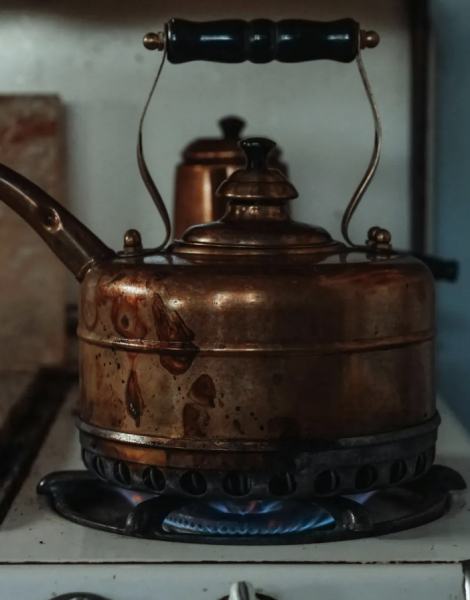
Let them touch, I thought. Let him see the difference.
At dusk, I opened the living room camera feed on my phone and left it face down on the table. Silent.
At around ten, the gravel crunched.
The porch light flicked on.
She walked in as if she knew where to step.
He smiled the same rehearsed smile. She kissed his cheek as if she'd done it a dozen times.
"Make yourselves comfortable," I said, not moving from the kitchen.
My voice was syrup-slow.
"The kettle's on."
They froze.
Liam looked like he had swallowed glass. His eyes shifted quickly from the table to me and then possibly to the camera.
The woman blinked, and her smile flickered. It didn't disappear completely, but it was definitely smaller now.
And I smiled back.
"Hey," Liam said, barely above a whisper.
He didn't stand up. He stayed seated, as if the floor might collapse if he moved too fast. I noticed how his hands sat awkwardly in his lap, one thumb twitching like it didn't know what to do.
I didn't yell. I didn't raise a single dish. That wasn't how I operated. My voice had never been the loudest in a room, but I learned a long time ago that silence carries weight.
I reached into my coat pocket and pulled out a folded piece of paper. I placed it gently on the table in front of him, smoothing the edges with two fingers before speaking.
"Thought you might want to see this," I said, keeping my voice steady.
He glanced at it but didn't touch it. He recognized his own handwriting almost immediately. I'd printed out a few entries from the black notebook he thought was still safely hidden in his office drawer.
The words were simple but cut like glass: "Quiet, good at hand-holding. 8/10."
"Best kitchen talk, stays late."
"7/10 — would repeat."
And then, at the bottom, in his scrawl: "We should keep this off the record."
His face lost all color. He stared at the paper like it might grow teeth.
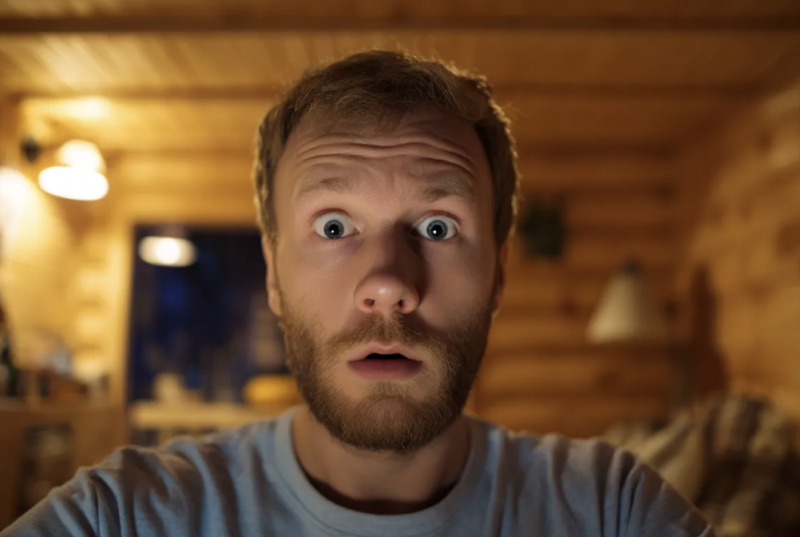
"Is this..." he started, but his voice cracked before he could finish.
"Yes," I said, folding my hands together. "You've made a hobby out of it."
He opened his mouth, but no words came. Just a strange, wheezy sound, like someone trying to laugh with no air. I watched his jaw twitch as he scrambled for a line that might still save him.
"You're being dramatic," he said finally, but it sounded brittle, like he didn't even believe it himself.
I tilted my head slightly and looked at him, not as the man I had married, but as the man who had turned my mother's sanctuary into his own private stage.
"Tell me one thing," I said. I leaned forward, voice quiet. "When you bring them here... when you sit where she used to knit, sleep in the bed she chose, pour wine in her chipped mug... do you imagine I don't know? Do you imagine this cabin is just a backdrop for your flings and not a place where I still feel my mother's presence?"
Liam's throat worked in silence. He couldn't meet my eyes.
"It's nothing," he finally mumbled. "It's — it's just fun."
"Fun," I repeated, letting the word hang in the air. "This place is supposed to be sacred. We were supposed to be sacred."
He reached for the wine bottle with an unsteady hand. He poured half a glass but didn't drink it. Just held it like a shield.
I didn't speak for a moment. The silence was thick. He didn't ask for forgiveness. He didn't even say he was sorry.
That was when I pulled the envelope from my bag. Inside was the thumb drive. I had downloaded and saved every camera clip, some of them short and others painfully long. I slid the envelope across the table, just as I had done with the printed paper.
"This is everything," I said softly. "Everything I've seen."
His eyes widened as he looked at the envelope.
"You recorded me?" he asked, voice tight.
"You recorded yourself," I said. "I just hit save."
He didn't touch the envelope either.
"I'm not here to humiliate you," I continued. "Not publicly. But you have a choice. I can bring this to your office. I can send it to HR. I can send it to the women you brought here and to their partners."
Liam flinched at that word, partners. For the first time, I saw it hit him that these women had their own lives, with people who trusted them and had trusted him, too.
"Or," I said, "you can tell me the truth. All of it. Every reason. Every name. And we see if there's even a thread left worth holding."
He opened his mouth to speak, then closed it, and opened it again without saying a word.

“I just wanted to feel... something,” he said after a while. “I felt like I was disappearing at work. Like no one saw me anymore. And when they laughed at my jokes or touched my hand... I don’t know. It made me feel... important.”
“You meant powerful,” I corrected. “Important is different.”
He looked down and didn’t argue.
I stood up and walked to the window, looking at the trees. The porch light cast a long golden beam across the gravel path, and beyond it, the dark forest stood still. My mother’s trees. Her watchful silence.
Behind me, Liam started talking again. He said all the things men like him say when they realize the game is over.
“I’ll go to therapy.”
“We can start over.”
“I’ll stop. I swear.”
His words sounded rehearsed. They were wilted, like an out-of-tune song. I let him say whatever he needed because it didn’t matter.
That night, I let him sleep on the couch. I wrapped myself in my mother’s quilt and lay in the bed. I held an old baby blanket we used to keep for guests, more for nostalgia than comfort. I didn’t cry. I just looked at the ceiling and listened to the silence.
The weeks that followed passed slowly, but the consequences came faster than expected.
It started at his work. Colleagues stopped responding to his messages. One night, he told me over the phone that someone heard rumors about him keeping lists. That HR had received an anonymous complaint. Maybe more than one.
“Did you say something?” he asked me one night, in a low voice.
“I didn’t need to,” I replied. “You left a trail a mile wide.”
Eventually, he told me that a woman had seen the printout. Another one told her fiancé. The whispers grew legs.
When his team was reorganized, he wasn’t invited to any new projects. The meetings went on without him. The emails dried up. It was like he had become invisible.
His world closed in on him.
At home, the changes were quieter, but just as real. The cabin, which had once been his secret playground, was now locked. I changed the locks myself. I moved a rocking chair to the porch, planted lemon balm in the window, and spent weekends there again.
One day, he asked, in a broken voice: “Can I go there? Just for a few hours. Please.”
“No,” I said. “Never again.”
He looked at me like he couldn’t believe it. Like the cabin was his. But it never was.
Two months after that night, he moved out. Not because I asked, but because there was nothing left for him to hold onto. His work was slipping. His image was stained. And his flirtations were no longer charming, just pathetic.
As he packed his bags, he tried once more.
“We could try therapy,” he said. “If you want. I’ll do anything.”
I handed him a box with his books. “I know,” I said. “But I won’t.”
I watched him go down the porch steps with his bags. The same porch where my mother used to sit and sing. The same porch where I waited for a man who never deserved the version of me who waited.
A year has passed.
Liam got a new job downtown. Nothing major. A desk job that left little room for politics or flirting. He lives in a small apartment with peeling paint and no porch.
He texts me sometimes.
“I’m sorry.”
“I hope you’re doing well.”
“Do you think we could talk?”
I don’t reply.
The cabin is mine again. Whole and silent. The kind of silence that echoes in your chest like security. I fixed the creaky porch, repaired the stove, and repainted the faded blinds. My mother would have loved it.
Some nights, I sit out there, wrapped in her quilt, coffee in one hand, the cold, biting air.
I never shared the footage. Never sent the files to his boss or HR. I didn’t need to. The consequences have a way of maturing on their own.
One night, while trimming a bush near the back shed, I took out the black notebook, the one with his rating system. I made a small fire in the metal drum we use to burn branches and placed the pages in the flames, one by one.
They curled and crackled, the ink bubbling, the paper turning black at the edges before crumbling to ashes.
The smoke rose toward the pines and disappeared.
I sat on the steps after that and let the silence settle in.
Sometimes, when I drive down that dirt road, the headlights illuminating the familiar trees, I still stop at the bend and remember the version of me who used to feel thin, worn-out, and easily broken.
She’s gone now.
What remains is someone softer, but no weaker. Someone who understands that silence can be a strength. That love, when abused, grows back into something sharper.
And every once in a while, when I sit on that porch and look at the trees, I hear my mother’s voice again.

“You did the right thing,” she says.
I believe her.
And I’m finally home.