Protein-rich foods that are good for the planet
Growing concerns about sustainability have led many people to seek protein sources that benefit both their health and the environment. Animal-based food production, particularly beef, is a major contributor to greenhouse gas emissions, deforestation, and excessive water consumption.
Fortunately, there are high-protein alternatives with a much lower environmental impact. Here are some of the best options!
Legumes (Beans, Lentils, Chickpeas, Peas)
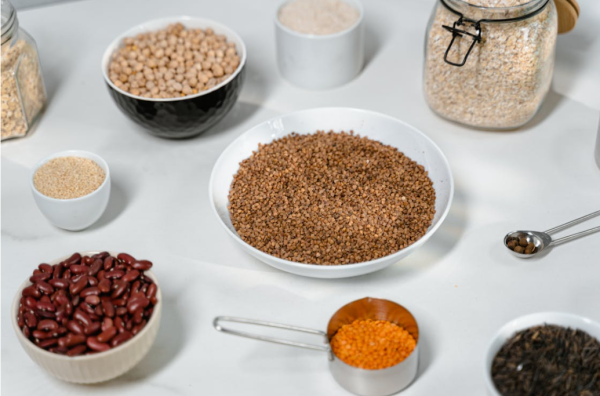
Legumes are excellent plant-based protein sources and a sustainable alternative to meat. They have a low environmental footprint, requiring less water to grow, and they enhance soil quality by fixing nitrogen, reducing the need for synthetic fertilizers.
- Protein per 100g (cooked):
- Lentils: 9g
- Chickpeas: 8g
- Black beans: 9g
- Peas: 5g
Soy and its derivatives (Tofu, Tempeh, Textured Soy Protein)

Soy is one of the most complete plant-based protein sources, containing all essential amino acids. Its efficient cultivation yields high production with less land and water use compared to livestock farming.
- Protein per 100g:
- Tofu: 8g
- Tempeh: 19g
- Textured soy protein: 50g (dehydrated)
Quinoa

Quinoa is a highly nutritious grain rich in protein and a complete source of essential amino acids. Its cultivation has a lower environmental impact than rice and wheat, as it thrives in poor soils and requires less water.
- Protein per 100g (cooked): 4g
Seeds (Chia, Flaxseed, Sunflower, Pumpkin)

Seeds are rich in protein, fiber, and healthy fats, making them a great sustainable option. They have a lower environmental impact and are highly versatile in cooking.
- Protein per 100g:
- Pumpkin seeds: 30g
- Chia seeds: 16g
- Flaxseeds: 18g
Nuts (Almonds, Walnuts, Cashews, Peanuts)

Nuts and cashews are excellent sources of protein and healthy fats. Their cultivation can support forest conservation, as many nut trees are part of sustainable agroforestry systems.
- Protein per 100g:
- Almonds: 21g
- Walnuts: 15g
- Cashews: 18g
- Peanuts: 26g
Algae (Spirulina, Chlorella, Nori)

Algae are among the most sustainable protein sources on the planet. They grow quickly, require no land or freshwater, and are highly nutritious. Spirulina and chlorella, in particular, are rich in protein, iron, and antioxidants.
- Protein per 100g:
- Spirulina: 57g
- Chlorella: 50g
Mushrooms
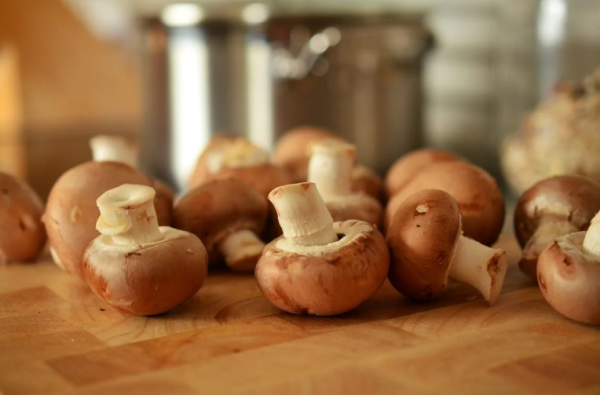
Mushrooms are a sustainable meat alternative due to their low environmental impact. They grow quickly, require little water, and can be cultivated using organic waste. While they contain less protein than legumes or nuts, they are a great dietary addition.
- Protein per 100g: 3-5g, depending on the variety
Choosing more sustainable protein sources can help reduce the environmental impact of our diets without compromising nutrition.
In addition to being beneficial for the planet, these options are accessible, versatile, and rich in essential nutrients. Small dietary changes can make a significant difference in preserving natural resources and reducing greenhouse gas emissions.