
Signs it’s time to replace your kitchen sponge and how to keep it clean longer
Kitchen sponges are essential for cleaning and maintaining hygiene in the home, but like any cleaning tool, they don’t last forever. While sponges are great at scrubbing away food particles and stains, they can quickly become a breeding ground for bacteria, mold, and germs if not replaced regularly.

Knowing when to throw away your kitchen sponge can help you avoid the risks of contamination and ensure that your cleaning efforts are actually effective. So, how can you tell when it’s time to retire your sponge?
A strong, unpleasant smell is often one of the first signs that your sponge is no longer doing its job. If your sponge starts to emit a sour or musty odor, it likely means that bacteria and mold have taken up residence inside it.
Even if you try to disinfect the sponge, the smell may linger, signaling that it's beyond saving. When this happens, it's time to discard the sponge to prevent spreading germs to your dishes and surfaces.
Sponges naturally wear out over time, and if yours shows visible signs of damage, such as fraying edges or pieces coming off, it’s time to replace it.
A sponge that’s falling apart can leave small particles behind on dishes and countertops, making your cleaning job more difficult. Even if your sponge doesn’t seem to be breaking down, it’s still a good idea to replace it every 1-2 weeks.
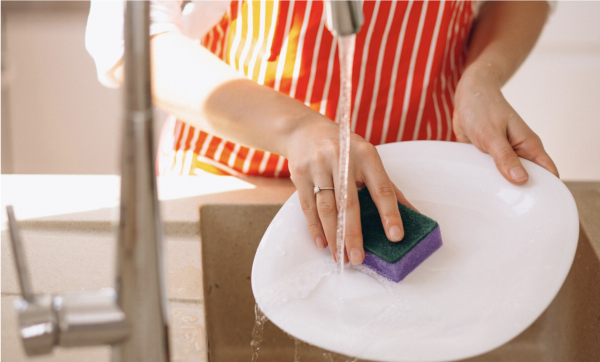
As sponges continue to be used, bacteria accumulate inside, even if the sponge looks clean. Keeping a regular replacement schedule helps ensure you’re using a clean, effective tool in your kitchen.
Another indicator that it’s time for a new sponge is if it’s no longer working as efficiently as it once did. Sponges that have been used for a while lose their scrubbing power, making it harder to clean dishes properly.
If you find yourself applying more pressure or effort to scrub away food residue or stains, your sponge has likely lost its effectiveness.
Additionally, a sponge that doesn't absorb water well or leaves streaks can also signal it's time to get a new one.
If someone in your household has been sick, it’s a good idea to replace the sponge afterward. Sponges can harbor harmful germs, and using the same sponge after an illness can result in cross-contamination, potentially spreading germs to food preparation areas.
Replacing your sponge after a sickness can reduce this risk and help maintain a healthier kitchen.
Sponges often get stained from exposure to oils, sauces, and other food remnants, but persistent stains can be a sign that the sponge is no longer sanitary.
While some stains are normal, if they don’t come out after cleaning the sponge, it’s best to replace it. Stains can sometimes be a place where bacteria thrive, so a stained sponge might not be as clean as it seems.
To extend the life of your sponge, there are a few things you can do. Regularly disinfecting it by microwaving it for a minute (when wet) or soaking it in a mixture of water and bleach can help keep bacteria in check.
After using the sponge, be sure to rinse it thoroughly and wring out excess water to prevent moisture buildup, which can encourage bacteria growth.
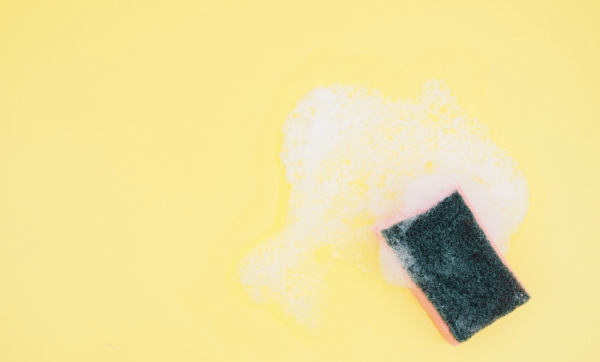
Store the sponge in a dry area to keep it from becoming damp, and it will last a bit longer.
In conclusion, while kitchen sponges are a vital part of keeping your space clean, they can quickly become unhygienic if not replaced regularly.
Keep an eye out for signs like odor, damage, or reduced effectiveness, and don’t hesitate to toss the old sponge when it’s no longer doing its job. Regular replacement and proper care will help maintain a cleaner, safer kitchen environment.