

The birth of modern dieting: The story of William Banting, the first known dieter
The concept of dieting, as we understand it today, has roots that stretch back much further than most people realize. Although modern diets are often linked to trends and weight-loss fads, the idea of regulating one’s food intake has existed for thousands of years.
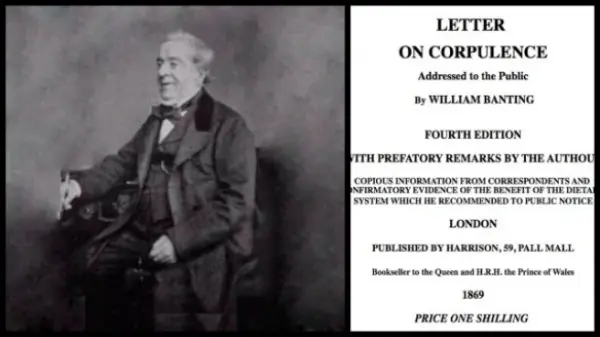
The first known instance of someone following a diet for weight loss is attributed to William Banting, an Englishman from the 19th century, who became the first recorded individual to embark on a weight-loss regimen with clear guidelines.
The origins of dieting can be traced back to ancient civilizations, with early thinkers like the Greek philosopher Hippocrates advocating for moderation in food consumption to maintain good health.
However, the term "diet" originally referred to one’s overall way of life rather than simply eating for weight loss. It wasn’t until much later, during the 17th and 18th centuries, that dieting for weight management began to gain attention, but it wasn’t until the 19th century that the first documented diet for weight loss emerged.
William Banting’s story is one of health and transformation. By the mid-1800s, he had become severely overweight, and his health was deteriorating as a result.
Despite trying various methods to lose weight, including exercise and restrictive eating habits, he struggled to make any significant progress. His excess weight was causing him serious health issues, such as shortness of breath and joint pain.
In his search for a solution, Banting sought medical advice from Dr. William Harvey, a surgeon who recommended a significant shift in his diet.

Dr. Harvey advised Banting to eliminate certain foods like sugar, potatoes, bread, and beer from his diet. Instead, he was encouraged to eat more meat, vegetables, and natural fats, essentially embracing a low-carb, high-protein, and high-fat eating plan.
After following this regimen for several months, Banting lost a substantial amount of weight, improving both his health and quality of life. In 1863, he shared his success with the public through a pamphlet titled "Letter on Corpulence, Addressed to the Public," which detailed his diet and the impressive results he had achieved. The pamphlet became a sensation, making Banting one of the first widely recognized figures in the dieting world.
Banting’s motivation for dieting was primarily driven by his deteriorating health. At the time, obesity was already being linked to a range of health problems, such as heart disease and diabetes. Banting’s journey reflects the growing awareness of how food choices directly affect one’s physical well-being.
As cities became more industrialized and food became more accessible, people’s eating habits started to change, and weight-related health issues became more common. Banting’s decision to follow a structured diet was rooted in the desire to improve his health and regain control over his life.

The diet Banting followed was remarkably similar to what we now consider a low-carb, high-protein approach. His plan was simple: eliminate sugar and refined carbohydrates, and focus on eating foods rich in protein and healthy fats.
Banting’s diet included fish, poultry, and beef, as well as non-starchy vegetables like leafy greens. Bread, potatoes, milk, and rice were to be avoided. Banting also eliminated alcohol, particularly beer, due to its high calorie content. His diet emphasized the idea that certain foods contributed to weight gain, while others helped the body burn fat.
The success of Banting’s diet was not only significant for his own health but also for the wider public. His pamphlet and the method he followed sparked a movement, influencing many people to adopt similar eating habits.
His approach was revolutionary at the time, though controversial, and it laid the foundation for modern dieting trends. Banting’s name became so synonymous with dieting that the term "Banting" was used for decades as a general term for weight loss.

While Banting’s diet was one of the first widely accepted weight-loss methods, it was not the only one that would emerge. His work paved the way for other diet plans in the 20th century, many of which shared elements with his approach, such as restricting carbohydrates and focusing on higher-protein foods.
In fact, Banting’s influence can still be seen in modern diet trends, including the ketogenic and paleo diets.
In conclusion, the first dieter, William Banting, dieted for health reasons, seeking to improve his well-being in the face of obesity-related health problems. His success with a low-carb, high-protein eating plan not only transformed his life but also helped shape the future of dieting.
Banting’s legacy lives on through the countless diet plans that followed, and his story remains an important chapter in the history of nutrition and weight management.


