

The origins of Rome: From a small village to the heart of an empire
Rome, one of the most influential cities in history, began as a modest settlement along the banks of the Tiber River.
While its rise to power and grandeur is well-documented, the early history of Rome is a story of humble beginnings, gradual growth, and unrelenting ambition.

Understanding the origins of Rome helps us appreciate how a small village evolved into one of the most powerful empires in history.
The traditional founding date of Rome is 753 BCE, according to ancient Roman historians like Livy and Plutarch. According to Roman mythology, the city was founded by Romulus and Remus, twin brothers who were said to be the sons of the god Mars and the princess Rhea Silvia.
The twins were abandoned as infants and raised by a she-wolf, and later, they decided to establish a city. After a dispute over where to build it, Romulus killed Remus and became the first king of Rome, thus marking the beginning of the city’s existence.
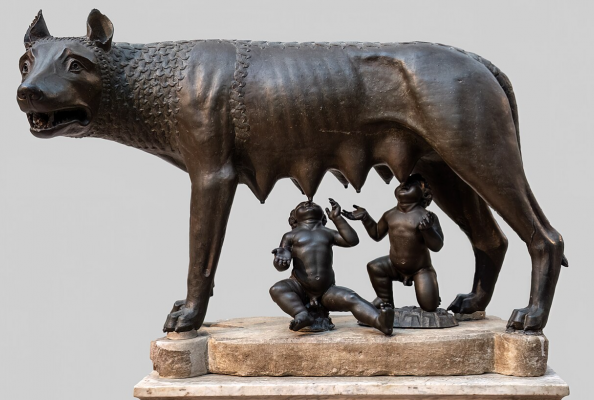
While the myth provides a fascinating story, the true origins of Rome are more complex. Archaeological evidence suggests that the area around the Palatine Hill—where Rome is said to have been founded—was inhabited long before the legendary founding.
Early settlers were part of various tribes, such as the Latins, Sabines, and Etruscans, and they lived in small villages scattered across the hills along the Tiber River.
Rome’s location, at the crossroads of several important trade routes, contributed to its early growth. The Tiber River offered a natural source of water and transportation, while the city's hills provided a defensive advantage. These factors made Rome an attractive settlement for early communities.
By the 8th century BCE, Rome was a cluster of small villages that gradually merged together, forming a more cohesive community. These villages were initially governed by local kings, who were often chosen from among the elite families.
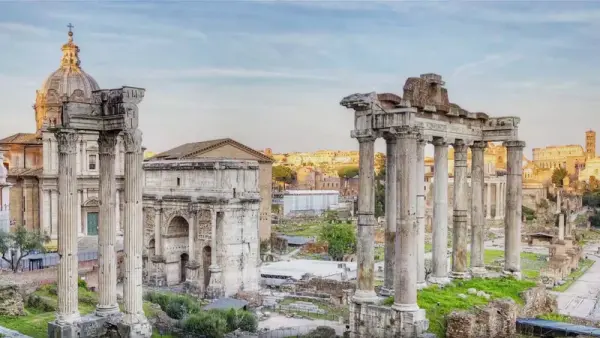
The early Romans were heavily influenced by the Etruscans, who lived to the north of Rome and were known for their advanced culture and engineering skills. The Etruscans helped lay the groundwork for Rome’s early architectural and cultural developments.
According to legend, Rome was ruled by a series of seven kings. These kings were not only military leaders but also religious and political figures who played a key role in shaping Roman society. The first king, Romulus, was followed by Numa Pompilius, who is credited with introducing many of the religious practices that became central to Roman culture.
Other kings, such as Tullus Hostilius and Ancus Marcius, expanded Rome’s influence and built key infrastructure, including the construction of the first bridge across the Tiber River.
The last of these kings, Tarquin the Proud, was a member of the Etruscan dynasty. His reign was marked by harsh rule and increased tyranny, which eventually led to his overthrow in 509 BCE. This event marked the end of the Roman Kingdom and the beginning of the Roman Republic.
The overthrow of the monarchy and the establishment of the Roman Republic in 509 BCE was a turning point in Roman history.
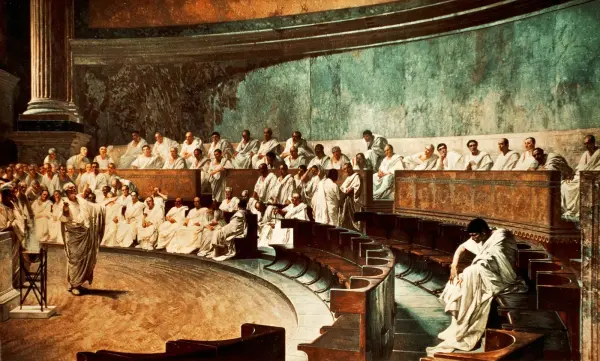
The Romans rejected the idea of a single ruler and instead created a system of government in which power was held by elected officials, known as consuls. The Republic marked the beginning of Rome’s transformation from a small village to a dominant city-state.
During the Republic, Rome expanded its territory through military conquest and alliances with neighboring tribes and cities. The Roman military was highly disciplined and innovative, which allowed it to conquer vast territories.
By the 3rd century BCE, Rome had become a powerful force in the Mediterranean world, and its influence continued to grow throughout the centuries.
Rome’s journey from a small village to a sprawling empire was neither quick nor easy. It was the result of a combination of geographical advantages, strong leadership, and military prowess.

From the mythical founding by Romulus to the establishment of the Republic and beyond, Rome’s early history laid the foundation for its transformation into one of the most enduring civilizations in history.
The legacy of Rome continues to shape the world today, not only through its monumental achievements in law, architecture, and governance but also in the cultural and historical influence that it continues to exert over modern society.


