
The evolution of politeness: A history of social etiquette
Politeness is one of the key pillars of human interaction, and it has evolved over centuries to become a vital part of social harmony.
But where did the “rules” of politeness come from, and when did we begin adhering to them in the formalized ways we do today?
To understand the evolution of politeness, we need to explore its historical roots and how different cultures and societies have shaped the norms we follow now.
Politeness as we know it can be traced back to ancient civilizations, although the specific norms and expectations varied. In societies such as Ancient Egypt, Greece, and Rome, polite behavior was considered essential to maintaining harmony within the community.
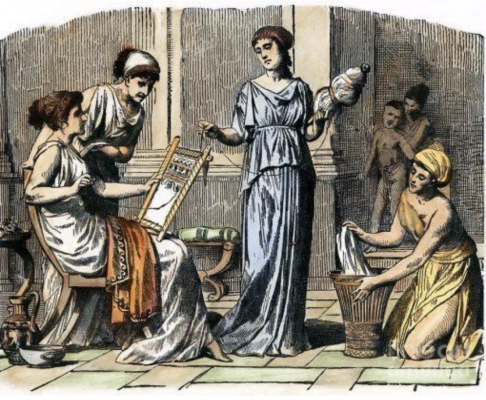
For example, in Ancient Egypt, social hierarchy and respect for authority played a significant role in how people interacted. People would bow, use formal language, and address others based on their social standing. It was a way of maintaining the stability of the political and social systems.
Similarly, in Ancient Greece, the concept of "philia" or friendship was central to polite behavior. While the Greeks celebrated democratic ideals, their social relationships were often governed by clear roles and expectations of how people should treat each other. Respect for elders, politeness in conversation, and courteous behavior were all considered signs of civility.
Politeness really began to formalize during the Medieval period in Europe, particularly in the courts of monarchs. The concept of chivalry — the code of conduct for knights — became a crucial aspect of polite behavior in society.
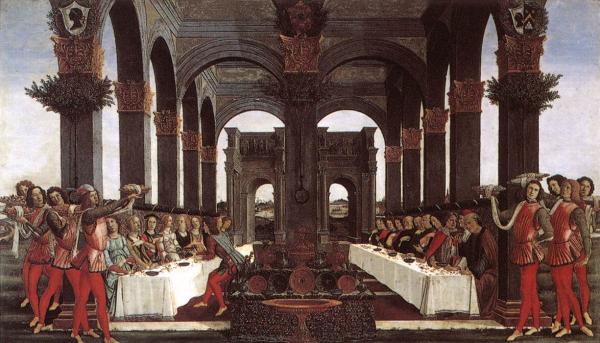
Chivalry emphasized honor, courtesy, and respectful treatment of women, the elderly, and the less fortunate. Knights were expected to behave with gallantry, following strict rules about speech and conduct. This developed into the notion of “courtly love” where the ideal behavior was one of modesty, respect, and formality.
During the Middle Ages, the Church also played a pivotal role in shaping the polite norms of society. The teachings of Christianity emphasized humility, patience, and respect for others, which became central to social decorum.
Politeness was no longer just about social status or hierarchy but became more closely tied to moral values and individual virtue.
The Renaissance period marked a significant shift in the way people thought about manners and social behavior. The growing influence of education and humanism led to an increased focus on refining personal conduct.

Etiquette manuals began to emerge, outlining the proper way to behave in different social contexts. These manuals were often aimed at the rising merchant class and nobility, who wanted to improve their social standing and navigate courtly life with grace.
One of the most influential figures in the Renaissance era when it came to politeness was Erasmus of Rotterdam, a Dutch philosopher and theologian. In his work "The Handbook of the Christian Soldier" (1504), Erasmus offered advice on proper conduct, stressing the importance of humility, kindness, and decorum. His influence helped shape the behavior expected in both public and private life.
The Renaissance also saw the rise of elaborate social rituals, from dining etiquette to greeting rituals, which became part of the "rules" of politeness. The aristocracy, in particular, used these rituals to display their refinement and education.
The real “rules” of modern politeness began to take shape in the 17th and 18th centuries during the Enlightenment. This period was marked by the rise of reason, science, and individual rights, and it also brought about more defined social conventions.
The growth of the middle class and the spread of education allowed more people to adopt and adhere to the social rules that had previously been reserved for the aristocracy. The 18th century saw the publication of comprehensive guides to manners and etiquette, like "The Book of Etiquette" by Emily Post and others, which further codified polite behavior.
One of the most significant changes during this time was the distinction between public and private conduct. The rise of the bourgeoisie and the shift towards more personal autonomy meant that politeness became about more than just maintaining social order — it also became about showing respect for individual rights and personal boundaries.
Today, politeness is still an essential part of society, though its expression has adapted to changing times. While the rigid codes of the past have loosened, we still see the importance of polite behaviors like saying “please” and “thank you,” respecting personal space, and practicing good table manners. Technology, such as social media, has introduced new challenges for maintaining politeness, as online interactions often lack the cues present in face-to-face communication.
The way we practice politeness today is often influenced by cultural norms, societal expectations, and individual upbringing. In some cultures, for instance, the level of formality in politeness is far more emphasized, while in others, a more relaxed approach is taken.
However, the underlying principle remains the same: politeness is about maintaining social harmony, fostering respect, and ensuring smooth interpersonal communication.

The history of politeness is a fascinating journey through time. From the ancient world’s respect for authority to the Renaissance’s focus on personal refinement and the Enlightenment’s push for individual rights, the rules of politeness have evolved with society.
Today, politeness continues to be a reflection of our values, and while the specific behaviors may change, the fundamental need for respect and kindness remains constant.
It is a reminder that, at its core, politeness is not just about following a set of rules — it’s about ensuring that we treat others with dignity and consideration, regardless of the era we live in.