The house he built: A Father's Day homecoming, a family divided, and the man who chose to stay
On Father’s Day, Jamie returns home to surprise the man who raised him. But what he overhears through an open window changes everything. As loyalties fracture and buried truths surface, Jamie must decide what family really means—and how far he’s willing to go to protect it.
My name is Jamie, and this year, Father’s Day hit me like a punch to the gut wrapped in nostalgia.
I flew in two days early. I didn’t tell anyone—not even my younger brother, Travis. I wanted it to be a quiet surprise. Just me, Grandpa Joe, and that chocolate-walnut cake from the bakery two blocks from his house.
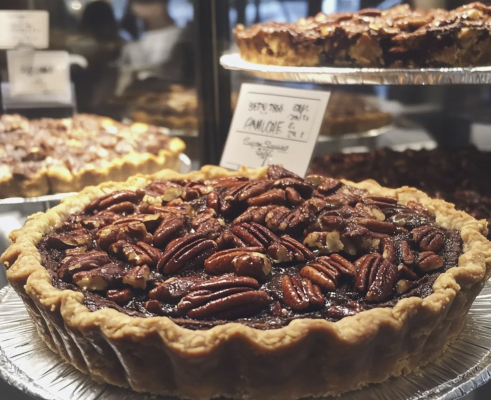
I used to buy one every Sunday after church, back when Mom still made us wear stiff collars and we believed sugar could fix anything.
It had been nearly two years since I last saw the house. But as I walked the old stone path and saw the worn blue siding, the tilted sunflower pots, and the mailbox held shut with a rubber band, I felt like I was ten years old again. I was nervous. Even excited.
I rang the bell. Nothing.
Knocked three times. Still nothing.
Then I heard it—faint at first. Travis’s voice. Cold. Sharp. Like a knife through silence. I moved carefully toward the overgrown bush near the kitchen door.
"Grandpa, you’ve got one week. One. Just one. If you don’t do what I’m asking, I’ll pack your things and move you to a home. It’s time. You’ve had this house long enough."
I froze. My hand hovered over the doorknob. Through the open kitchen window, their voices carried with a weight I didn’t want to hear.
"You’re almost 80, Grandpa!" Travis snapped. "You don’t need an entire house. Meanwhile, my two kids share a room and Kayla’s at her limit. This house should be ours now."
"Travis," Grandpa said firmly. "I raised you. You and your brother. I gave up everything to make sure you two didn’t fall apart. I built this house for us. Not for this selfish nonsense you’re spouting."
"Exactly," Travis replied, almost smug. "You built it. It worked for us. Now let it work for my family."
I didn’t think. I just walked in.
They both turned. Grandpa looked shocked. Travis stiffened instantly, like a kid caught stealing lunch money.
"Jamie?" Grandpa said, eyes wide.
"I was just leaving," Travis muttered, brushing past me like his guilt weighed nothing. "Just talking about family stuff. Not your business."
"Sounded more like an eviction," I shot back.
He didn’t respond. Just left. The door clicked shut behind him.
I didn’t say anything at first. Just walked in and set the cake on the table. The plastic crinkled in the silence. Grandpa looked older than I remembered. Shoulders hunched, like he’d been carrying a load too long.
"I brought this," I said, lifting the cake. "And this."
I pulled a canvas photo from a blue bag. It was from my military camp graduation. His arm over my shoulder. His eyes filled with pride.
Now he looked at it like it might break.
"I didn’t know you were coming, son," he whispered.
"How could I not come?" I smiled. "I didn’t know Travis was threatening you."
"He thinks he’s helping his family," Grandpa sighed.
"By kicking you out of your home?"
"He’s… going through a lot. The kids are small. His job’s unstable. Kayla’s exhausted."
"That’s not your burden," I said. "Not like this."
We sat in the living room. The photo between us. Everything looked the same, but it all felt different. The chair still creaked. The bookshelf still leaned. But the air felt tight, like something had been held in too long.
"Why didn’t you tell me?" I asked.
"I didn’t want to cause you trouble, Jamie," he said, giving a half-smile that hurt more than it soothed. "You’ve already done enough. I figured your part was finished."

"I didn’t do my part," I said. "I did our part. Now it’s your turn."
He chuckled and patted the armrest gently.
"Still my favorite cake," he said, eyeing the box. "Though I’ve switched to peach cobbler lately."
He didn’t say who made it. Just smiled, like it was a secret he wasn’t ready to share.
"Really? That so?"
"I guess my tastes evolved," he shrugged.
I took mental note. Didn’t push. Let the conversation rest for another day.
The next morning, I started making calls.
Legal aid. Financial help. Elder care. I wasn’t just visiting anymore—I was showing up, like he always had.
By that afternoon, we had a trust set up. Grandpa Joe retained full legal rights to the house. No one could pressure or manipulate him into leaving.
"I don’t need help, Jamie," he said.
"I know, Grandpa," I replied. "This is more for me than for you. When I leave, I need to know you’re safe."
We arranged part-time home care—only what he agreed to. Miss Carla, a retired nurse, came twice a week. Her first day, she brought banana bread and talked more about her garden than medicine.
He liked that. I saw him smile more that week than I had in years.
Travis found out three days later. He didn’t call. Just sent a message:
"I see where your loyalties lie, huh?"
I stared at it for a long time. Not because I didn’t know what to say—but because I realized I didn’t owe him a response.
We all make choices. Mom chose to leave once she knew Grandpa had us. Now, I was choosing too. Choosing to protect the man who had always chosen us.
I didn’t reply. I did something better.
I posted a photo on Facebook—Grandpa and me.
"Happy Father’s Day to the man who chose to raise us when he didn’t have to.
You taught me what strength in silence looks like.
You showed me how love moves in action.
You gave us a home, a heart, a life...
You’re more than a grandfather. You’re my dad.
Today and every day."
The post blew up. People shared stories. Former students thanked him for keeping them off the streets. Neighbors told of how he’d fixed things without asking for anything in return. One woman wrote that he walked her home every night for two months after she was widowed.
I read every word, letting them fill the spaces Travis had tried to empty.
He saw it. I know he did. But he didn’t comment. Didn’t react.
That silence was the loudest thing he ever said.
A week later, a letter arrived. Not an apology. Nothing kind. Just guilt, soaked like wet clothes.
"You let the golden boy turn you against your real family. I was there. I helped. Don’t forget who brought you food when you were sick. Don’t forget what my wife cooked. Don’t forget the love my kids gave you."
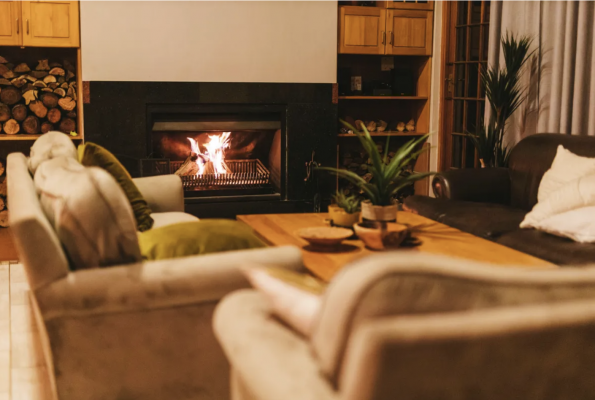
Grandpa laughed—really laughed. Then tossed the letter into the firepit.
"He still thinks love is currency," he said, watching the envelope turn to ash. "Like it’s earned through favors and guilt. I don’t know where I failed him…"
I looked at him—this old lion—and I knew that was his line in the sand. And the fire was guarding it.
Something shifted.
I came thinking I’d stay a few days. But after seeing him laugh, watching him burn the guilt—I knew I didn’t want to leave.
Not this time.
Especially not with Travis circling like a storm that hadn’t passed.
We started a routine. Morning coffee. Watering plants. Playing cards. Talking about everything and nothing.
One night I asked about Mom. We hadn’t spoken of her in years.
"She called last week," he said, sprinkling chives onto scrambled eggs. "She wants to visit soon."
"Really?"
"She works night shifts at a psychiatric center. Says she needs silence now. After so many years of holding it all together… she wanted a place to finally fall apart."
It made sense. And it hurt—but gently.
"She broke," he said. "But only because she gave every piece of herself to you first."
I nodded. Couldn’t speak.
"I think that’s why your brother’s so bitter. He felt abandoned. It hurt him more than it hurt you."
One afternoon, Lila—Travis’s oldest, six years old—came by with Kayla.
"Can we come say hi?" she asked.
"Always," Grandpa replied.
They brought a bag of peaches.
"They’re sweet," Kayla said. "In case you want to give them to whoever’s been making that peach cobbler."
Grandpa smiled.
Kayla avoided my eyes, but before leaving, she said:
"I didn’t know Travis had gone that far. I should’ve seen it. I got lost in the kids..."
"It’s not your fault," I told her.
"Don’t worry, Kayla," Grandpa said. "Everything’s alright now."
Later, he sat quietly, watching the sunlight filter through the garden fence.
Weeks passed. The garden bloomed. Grandpa joined a ladies’ club. Started writing a book on woodworking. Evelyn—the one who made the cobbler—came by often. Brought desserts. Dinners.
Travis stayed silent. And that was fine. Let that be his legacy.
One night, under a sky full of stars, with hot cocoa and fresh cookies, Grandpa said:
"I don’t regret giving up my retirement. I got to watch my grandsons grow up. I was there."
"You were the only one who was, Grandpa."
"I didn’t have to be their father," he told Evelyn. "I wanted to be."
I looked at him—those deep wrinkles, the thin skin, the strong hands. He hadn’t just raised Travis and me. He raised dozens of students.

He was the reason we all turned out the way we did.
And maybe it was time to be closer. Not just show up to fix things. I started looking for jobs nearby. Something local. For Grandpa. Maybe even for Mom—if she ever wanted to come home.
Grandpa once said that some single parents survive the storm… and then exhale somewhere else.
I think I want to be here—just in case she ever comes home to breathe.
And in case Travis ever tries to twist love again.