

The journey of the first successful businessman: A story of innovation, perseverance, and triumph
In the annals of business history, one name stands as a symbol of perseverance, vision, and success — that of Cornelius Vanderbilt, a man who went from humble beginnings to become one of the wealthiest individuals of the 19th century. His life story not only illuminates the early days of American capitalism but also showcases the indomitable spirit of a man determined to forge his destiny in a world full of challenges.

Born on May 27, 1794, in Staten Island, New York, Cornelius Vanderbilt came from a poor Dutch family. His father, a farmer and boatman, had little money, and the young Vanderbilt had limited formal education. In his youth, Cornelius was exposed to the world of transportation as he worked on the water with his father, learning the skills of navigation and boatbuilding.
By the time he was 16, he had saved up enough money to buy a small ferry, starting his journey into business.
Vanderbilt's initial business venture was in the ferry industry, where he transported goods and people across New York Harbor.
His success here was rooted in his keen ability to recognize opportunities. As steamships began to dominate the waterways, Vanderbilt quickly adapted, eventually owning a fleet of steamships.
By the 1820s, he was one of the leading ferry operators in the region, known for his relentless drive and his ability to offer cheaper and faster services.
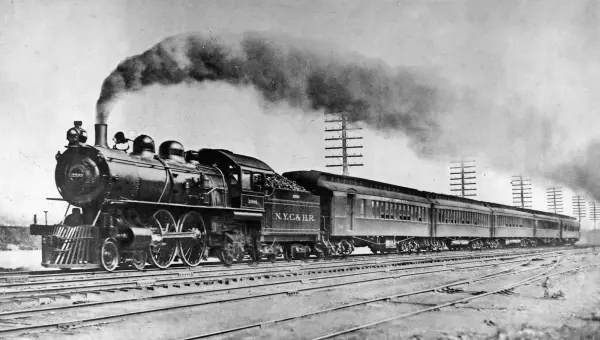
However, his success in the ferry business was just the beginning. The mid-19th century was a period of rapid industrialization in the United States, with the growth of railroads becoming a critical factor in the country’s economic expansion.
In the 1840s, seeing the potential for profit, Vanderbilt made a bold decision to shift his focus from steamships to railroads.
Vanderbilt’s first major railroad venture was in 1850 when he acquired the New York and Harlem Railroad. His strategic decisions and aggressive business tactics allowed him to gain control of several railroads, leading to the creation of the New York Central Railroad, which would dominate the Northeastern U.S. rail network.
Though Vanderbilt’s story is one of incredible success, it was not without its share of struggles. The railroad industry was fiercely competitive, and many business leaders were unwilling to allow one man to dominate so much of the market.
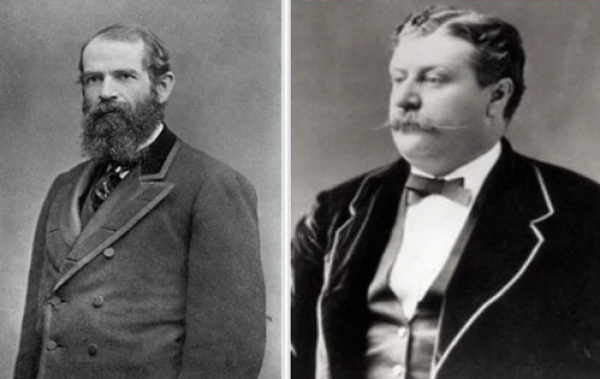
Vanderbilt faced opposition from other railroad magnates such as James Fisk and Jay Gould, who engaged in corporate battles, including stock manipulation and legal disputes. These competitors were often ruthless, and they posed a serious challenge to Vanderbilt's growing empire.
In addition to competition, Vanderbilt had to navigate financial difficulties. The railroad business was capital-intensive, requiring substantial investment for infrastructure and expansion.
To raise funds, Vanderbilt frequently leveraged his growing influence and wealth, but at times he also had to deal with market crashes and economic recessions that threatened to derail his plans.
Vanderbilt's personal life was also fraught with conflict, particularly with his family. Despite his success, he often had strained relationships with his children, particularly his son William Henry Vanderbilt.
As Vanderbilt’s wealth grew, so did the tension between his business empire and his family’s aspirations, leading to power struggles that continued even after his death.
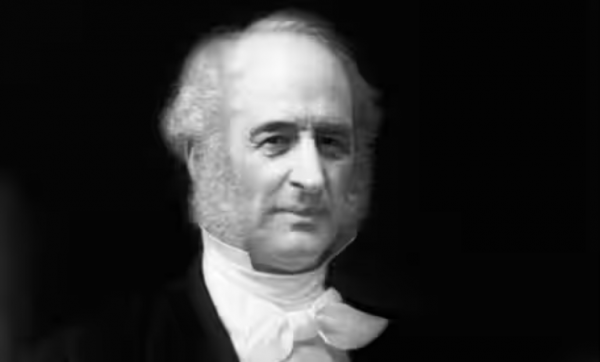
Despite the challenges, Cornelius Vanderbilt's innovations in the transportation industry revolutionized the way Americans traveled and transported goods. His mastery of railroad consolidation allowed him to create a robust, efficient network that significantly improved transportation in the U.S.
His leadership in these industries earned him the moniker "The Commodore" and propelled him into the ranks of the wealthiest people in the world.
By the time of his death in 1877, Cornelius Vanderbilt's estate was valued at around $100 million, which would be worth several billion dollars in today's money. His wealth came not only from railroads but also from steamships, investments in land, and control over key transportation infrastructure.

Vanderbilt’s impact on the United States cannot be overstated. He was instrumental in shaping the nation’s transportation infrastructure, and his business practices set the foundation for future industrial magnates like Andrew Carnegie and John D. Rockefeller.
Beyond his wealth, Vanderbilt’s legacy lies in his entrepreneurial spirit — his ability to take risks, challenge established norms, and recognize opportunities where others saw only obstacles.
Though controversial at times, especially due to his aggressive tactics, Vanderbilt’s success story is a testament to the power of perseverance and the drive to innovate.
He was one of the first businessmen to understand the importance of infrastructure and how it could unlock vast economic potential. His business acumen helped lay the groundwork for America’s rise as an industrial power in the late 19th and early 20th centuries.
Cornelius Vanderbilt's story is one of relentless ambition, perseverance through adversity, and transformative success. From humble beginnings to becoming one of the wealthiest individuals of his time, Vanderbilt redefined what it meant to be a successful businessman.

His journey through the challenges of early American capitalism is not only inspiring but also offers valuable lessons for anyone looking to make their mark in the business world.
Vanderbilt’s success reminds us that true visionaries often encounter great obstacles but emerge stronger and more determined, ultimately changing the course of history in the process. His legacy, both as a businessman and as a pioneer in the transportation industry, endures to this day.


