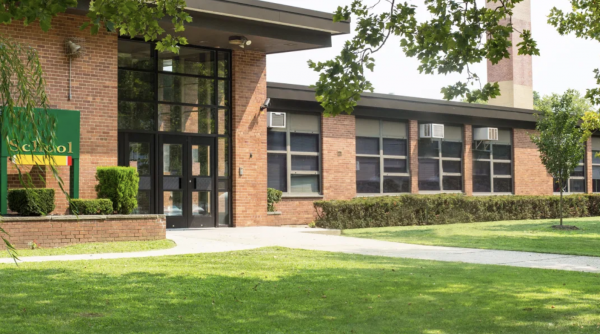
The test of courage: A teacher's fight for her students' future
Margaret thought the worst was over after putting a spoiled student in his place, but the next morning, a mysterious box on her doorstep threatened everything she had worked for in her life. Inside was a message that could ruin the future of her students... unless she stepped aside.
The afternoon sun filtered into classroom 204, casting long golden stripes across the worn chalkboard. Dust danced slowly in the air, as if it had nowhere else to go.
The classroom smelled faintly of pencil shavings and old books, Margaret’s favorite scent, though she would never admit it out loud.
She stood at the front, her hands folded carefully, shoulders straight. Her gaze swept across the room.
Tenth-grade students. Fifteen and sixteen years old. Restless and growing. Some slouched in their chairs, as if they had already moved past learning.
Others stared blankly ahead, their minds miles away. But she knew most of them were trying. Most cared, more than they let on.
“You’ve come a long way,” Margaret began, her voice calm, rehearsed, and warm. Like an old sweater pulled out to offer comfort.
“The exam in two weeks will be important for your future. Maybe not everything, but enough. So give it your best.”
Some students nodded. A girl scribbled something in her notebook.

A boy adjusted his hoodie, as if sitting up straighter might bring him luck. But from the back corner, a wave of laughter broke out.
Margaret didn’t flinch. She already knew where it came from.
“Connor,” she said, not raising her voice, “Would you like to contribute something useful?”
He didn’t even turn around. He was slouched sideways in his chair, legs stretched out into the aisle, one arm casually draped over the backrest.
“Nah,” he said loud enough for everyone to hear. “I already know I’m good. Born in the right family. I don’t need this.”
Some of his friends laughed. Others looked uncomfortable.
Margaret took a step back, moving away from the chalkboard, her heels clicking lightly on the floor. She stopped right in front of her desk. Her tone remained firm.
“Even if your future is secured, Connor, the rest of this class is working hard for theirs. Respect that.”
He turned toward her. Arrogant. Self-assured. “You’ll never make in your whole life what I spend in a summer.”
The room fell silent. Someone dropped a pencil. This time, no one laughed.
Margaret stared at him. Her heart beat once, strongly, but her face betrayed nothing.
“If you’re not interested in learning,” she said, “Don’t waste our time. Pack your things. Go home. Explain to your parents why school is beneath you.”
Connor’s smile faded. He blinked. “You can’t make me leave.”
“I already did.”
The front row tried to hide their giggles behind their hands and books.
With his neck flushed red with embarrassment, Connor grabbed his backpack, muttered something Margaret preferred not to hear, and stormed out, pushing the door open.

“You’ll regret this,” he shouted as the door slammed shut.
Margaret walked back to the front and faced the class again.
Her voice was soft, but firm. “Now… where were we?”
That afternoon, the hallway outside the principal’s office felt colder than usual.
Margaret stood for a moment, smoothing her skirt with steady hands, and took a deep breath before knocking softly.
Inside, Connor was sprawled in a chair as if he owned the place. Beside him was Mr. Reynolds, tall and burly, dressed in a sharp gray suit that screamed wealth. His jaw was set like stone.
Principal Jean was behind her desk, lips pressed into a thin line, her eyes shifting between Margaret, the father, and the son.
Mr. Reynolds didn’t waste any time.
“This woman,” he began, his voice dripping with venom, “publicly humiliated my son in front of his classmates. She has no right—”
“She’s failing English,” Margaret interrupted calmly.
Mr. Reynolds snorted.
“Prejudice! You think I don’t know how these things work? We’ve supported this school for years. Fundraisers. Events. That new wing of the library? That was us. And if she’s not gone by Friday, my son is out. And so is every dollar we bring.”
Jean shifted uncomfortably in her chair. Her fingers toyed with a pen, a nervous habit Margaret had noticed before. She cleared her throat.
“We take complaints seriously, Mr. Reynolds. But Margaret has been here twenty-five years. Her record is spotless. Her students excel. And from what I’ve heard, Connor’s behavior was unacceptable.”
Reynolds stood, straightening his jacket. “Everyone has a price,” he said coldly. “You’ll see.”
They left, Connor trailing behind them and shooting Margaret an arrogant look.
Jean let out a slow sigh and looked at her. “Are you okay?”
Margaret glanced at the closed door for a second before turning to Jean.
“No,” she said quietly. “But I will be.”
Margaret stood in her small kitchen, steam rising from the kettle, morning light slipping through the blinds like slender fingers.

Her knees ached more than usual, but it was something she had grown used to. Years of standing in front of chalkboards had earned her that pain.
Just as she reached for her favorite mug—cracked at the rim but still sturdy—there was a knock at the door.
It was early. Too early for visitors.
She opened the door slowly. There was no one there.
Just a plain brown box, sealed and simple, sitting like a warning on her doormat.
She glanced up and down the street—empty.
She bent down, picked up the box, and took it to the dining room. She set it on the table and carefully cut the tape. Inside were folders.
Dozens of them. She pulled out the first one, confused.
Files of former students.
Attendance sheets. Assignment records. Test results.
Papers she hadn’t seen in years. Some didn’t even belong to her current students.
She flipped through them, her confusion turning to fear. And then she found the last few pages.
An official letter with a fake seal.
“Due to incomplete academic records and inconsistencies in documentation, Class 10B is temporarily ineligible for state testing. The next opportunity will be next academic year.”
She sat down, stunned.
The next paper was handwritten.
“You should have kept quiet. Resign tomorrow, and your students won’t suffer the consequences. You know who sent this.”
Margaret’s hand trembled.
She looked at the words, then at the box. Someone had forged this. Had planted it. It was a threat—not to her, but to her students.
She looked around her home, filled with years of teaching. Books piled in every corner.
The notes from past students still stuck to the fridge. She thought of their faces. The dreams they shared with her in the quiet moments between classes.
They were counting on that exam.
She gripped the edge of the table, her throat tight.
They didn’t deserve this.

“What do I do now?” she whispered, though no one could answer.
But she already knew the cost.
Margaret walked to the side entrance of the school just after dawn. The halls were quiet, still holding the calm before the daily storm of teenage voices and slamming lockers.
Her shoes echoed softly on the floor. She kept her gaze low, clutching her bag as though it might break if she let go.
Inside her bag was a plain white envelope, sealed and heavier than it should be. Her resignation letter.
She reached the principal’s office and knocked softly before entering.
Jean looked up from her computer, surprised to see her so early.
“Margaret?” she asked. “Is everything okay?”
Without a word, Margaret pulled the envelope from her bag and placed it gently on the desk. It fell with a soft thud, but to Margaret, it sounded like the end of something.
Jean frowned and opened it. Her eyes quickly scanned the page, and her face changed.
“No,” Jean said, standing. “Margaret, no. Don’t let them win.”
Margaret didn’t look at her. “If I stay, those kids won’t take the exam. They meant it.”
“We can take this to the board,” Jean insisted. “We can expose whoever did this. There has to be a way.”
Margaret slowly shook her head. “The board will take too long. The exam is in two weeks. My class can’t wait that long.”
Jean’s voice softened. “You’re the best teacher we have.”
Margaret’s eyes filled with tears, but she blinked them away quickly. “And for loving them, I step aside. I won’t let them suffer for my pride.”
With that, she turned and left through the door.
She didn’t go to her classroom. She couldn’t. No goodbyes, no final words. She left before the first bell rang, before the students filled the halls.
Leaving was the only way she knew to go without falling apart.
At home, Margaret sank into her old armchair by the window. She watched the golden leaves fall from the trees and pile up on the sidewalk. Usually, that view brought her peace.
But not today.
Today, the silence felt too sharp. Like loss. Like something sacred had been taken.

The knock came just after the sun had set behind the trees, leaving a soft orange glow on the porch.
Margaret froze in her chair, a book resting unread in her lap. Her heart leapt. She wasn’t expecting anyone. Not tonight. Not after everything.
She stood slowly, her knees stiff, and walked to the door. Her hand hovered over the knob for a moment. Then she opened it.
Her breath caught.
There, on her porch, stood all of her students.
All of them. With their arms full of handmade signs, gift bags, and a crooked cake that said “We Love You, Miss Margaret” in shaky blue icing.
Behind them stood Jean, hands clasped, smiling softly.
Margaret blinked. “What... what is all this?”
One of the girls, Hannah, stepped forward with a card decorated with glitter on the edges.
“Connor told everyone what happened,” she said. “He made it sound funny.”
Another student, Jamal, added, “But some of us have parents too. Good ones. My dad’s a lawyer, he called the district. That letter was fake. Totally fake.”

A little boy named Drew stepped forward with a folded paper. “We’re going to take the exam,” he said proudly. “It’s back.”
Then he handed her the note. “And we want you back.”
Margaret covered her mouth, tears slipping down her cheeks. But this time, they were warm, not bitter. Her chest felt full in a way it hadn’t in days.
“You... you’re amazing,” she whispered. “I thought I had no one.”
Jean stepped closer. “You were never alone. You just forgot how many people have your back.”
Margaret nodded, wiping her eyes. “I’ll be there on Monday.”
Cheers erupted. The kids clapped, some even hugged her tightly.
As Margaret looked at them, her heart softened. Maybe she didn’t always have to be the strong one. Maybe sometimes, strength meant letting others be by your side.
And for the first time in a long time, she let them.