

Unveiling the hidden impact of phthalates: How prenatal exposure disrupts infant brain development
Phthalates, synthetic chemicals commonly found in everyday products such as food packaging, personal care items, toys, and more, have been linked to abnormal neurological development in infants.

Recent research has uncovered a potential biological pathway explaining how phthalates may disrupt this development.
The study found that prenatal exposure to phthalates can alter the metabolism of neurotransmitters and amino acids essential for brain maturation. This research is the first to connect a mother’s phthalate exposure to a newborn’s metabolites, and from there, to neurological development.
Phthalates have been used since the 1920s to make plastics softer and more flexible, particularly in products like vinyl flooring, medical devices, children’s toys, food packaging, and shower curtains. They are also found in personal care products such as deodorants, perfumes, nail polish, and shampoos.
Phthalates are known endocrine disruptors and have been linked to a variety of health issues, including preterm birth, genital abnormalities in infants, childhood obesity, asthma, cancer, and reproductive problems in men.
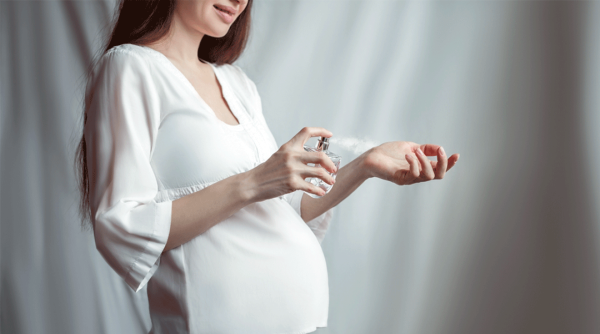
The study in question involved mothers and newborns from the Atlanta African American Maternal-Child Cohort, with urine samples collected from 216 mothers at early stages of pregnancy and 145 at later stages.
Researchers measured eight phthalate metabolites in these samples and found that higher phthalate levels were associated with lower levels of key amino acids like tyrosine, which is critical for thyroid hormone production and the formation of important neurotransmitters like dopamine, norepinephrine, and epinephrine. Low levels of these neurotransmitters can contribute to anxiety, depression, and focus problems.
Additionally, low levels of tryptophan — which is converted into serotonin, a key hormone for mood regulation and other bodily functions — were also linked to prenatal phthalate exposure. These disruptions in the body’s biochemistry were connected to lower test scores in newborns related to attention and excitability.
The continued global use of PVC plastic, which contains phthalates, is a growing concern, with significant financial and health costs. Studies show that phthalates contribute to a disease burden that costs the U.S. billions annually.

Despite the risks, the use of these chemicals persists, prompting calls from experts for policy changes and better manufacturing practices. Some scientists advocate for banning phthalates due to their toxicity and potential harm even in low doses.
The study’s limitations include a small sample size and a lack of data on the participants’ diet and birth method, which could influence exposure to phthalates and affect the study’s findings.
To reduce exposure to phthalates, experts recommend avoiding plastic products, using alternatives like glass or stainless steel, and choosing personal care items labeled as "phthalate-free." Regular cleaning of household dust, which can contain phthalates, and improving air circulation may also help mitigate exposure.


