

7 effective exercises to help you sleep better: Simple ways to relax and improve your sleep quality
Getting a good night’s sleep is crucial for both physical and mental well-being, but for many, it can be elusive. From stress to lifestyle habits, several factors can disrupt our sleep patterns.
The good news is that certain exercises can help improve sleep quality and even promote deeper, more restful nights. Here are some exercises that can help you sleep better:
Yoga: Relax your mind and body

Yoga is one of the most popular exercises to aid relaxation, and it’s no wonder why. Many yoga poses focus on gentle stretching, deep breathing, and mindfulness—an ideal combination for easing tension. Yoga can help lower your heart rate and reduce stress, which are both essential for falling asleep faster and staying asleep longer.
Best poses for sleep:
- Child’s pose (Balasana): A restful pose that calms the nervous system and promotes deep breathing.
- Legs-up-the-wall pose (Viparita karani): A restorative position that helps relax the body and relieve tension in the legs and lower back.
- Savasana (Corpse pose): Although it looks simple, lying still in a relaxed position can encourage a peaceful state of mind before bed.
When to practice: Aim for a gentle yoga session in the evening, ideally 30-60 minutes before bedtime.
Tai Chi: Calm your mind with slow movements

Tai Chi is a low-impact, slow-motion exercise known for its relaxing effects. It combines deep breathing, meditation, and fluid movement, making it perfect for winding down at the end of the day. Studies have shown that practicing Tai Chi can improve sleep quality by reducing stress and calming the nervous system.
Benefits for sleep:
- Improves balance and flexibility
- Reduces anxiety and stress
- Enhances relaxation before bed
When to practice: Try practicing Tai Chi in the evening as part of a calming nighttime routine, 30-60 minutes before sleep.
Walking: Simple yet effective

A brisk walk in the evening is a great way to wind down after a long day. Walking increases the production of endorphins, the body's natural mood-boosting hormones, and helps reduce anxiety and stress. A light walk can also promote the release of melatonin, a hormone that regulates sleep.
Benefits for sleep:
- Light cardio that doesn’t overstimulate the body
- Improves circulation and reduces tension
- Provides a peaceful time to reflect and de-stress
When to practice: Take a 20-30 minute walk after dinner, making sure not to do it too close to bedtime to avoid raising your heart rate.
Stretching: Relieve tension for better rest
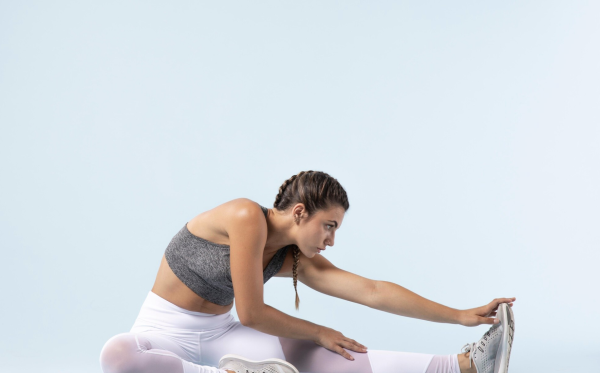
Stretching is one of the simplest and most effective exercises to promote relaxation before sleep. It helps to release built-up tension in the muscles, improves circulation, and calms the mind. Regular stretching can also reduce physical discomfort that might otherwise keep you awake at night.
Best stretches for sleep:
- Forward fold: Stretch your hamstrings and lower back by slowly bending forward while standing.
- Neck and shoulder stretch: Gently stretch your neck and shoulders to release tension that can result from sitting at a desk or stress.
- Cat-cow stretch: A simple flow that can help relax your spine and calm the nervous system.
When to practice: A 10-15 minute stretching routine before bed can be enough to help relax your body and prepare for sleep.
Strength training: Build consistency for better sleep

While it may seem counterintuitive, strength training can actually improve your sleep if done at the right time. Strength exercises, like weightlifting or bodyweight workouts, can help regulate the body’s circadian rhythm and improve sleep quality. The key is to avoid intense workouts too close to bedtime, as they might boost your adrenaline levels and keep you awake.
Benefits for sleep:
- Enhances physical tiredness, making it easier to fall asleep
- Regulates hormone production, including melatonin
- Reduces anxiety and promotes physical relaxation
When to practice: Aim to strength train during the day, ideally in the morning or early afternoon, to give your body enough time to wind down before bed.
Breathing exercises: Calm your nervous system

Sometimes, the best exercise for sleep doesn’t involve any movement at all! Breathing exercises can be incredibly effective for inducing relaxation and preparing the body for sleep. Deep breathing activates the parasympathetic nervous system, which helps slow your heart rate and lower your stress levels.
Effective breathing techniques:
- 4-7-8 breathing: Inhale for 4 seconds, hold your breath for 7 seconds, and exhale for 8 seconds. This technique can help calm your mind and body before sleep.
- Box breathing: Inhale, hold, exhale, and hold for equal counts (e.g., inhale for 4 seconds, hold for 4, exhale for 4, hold for 4).
- Diaphragmatic breathing: Focus on deep belly breathing rather than shallow chest breathing to fully relax your body.
When to practice: Spend 5-10 minutes practicing breathing exercises right before bed to signal to your body that it's time to relax.
Swimming: Relax and unwind

Swimming is another excellent exercise for sleep, thanks to its combination of aerobic and calming effects. The rhythmic strokes and deep breathing required in swimming can trigger the body’s relaxation response and prepare you for a good night’s sleep. Additionally, being in water has a natural calming effect, which can help reduce physical tension.
Benefits for sleep:
- Increases physical tiredness
- Calms the body through rhythmic movements
- Reduces anxiety and stress
When to practice: A swim in the evening can be a great way to unwind, but make sure not to swim too close to bedtime to avoid overstimulation.
Incorporating these exercises into your daily routine can significantly improve your sleep quality. Whether it’s yoga, Tai Chi, walking, or even strength training, regular physical activity has a profound effect on the body’s ability to relax and transition into restful sleep.
The key is to find exercises that work for you, and practice them consistently to reap the benefits. Remember, the goal is to relax and prepare your body for sleep—not to overexert yourself right before bed.
By making time for these calming activities, you’ll be well on your way to better, more restful nights.


