

Why do we sneeze?
Sneezing is something we all experience—sometimes unexpectedly, often repeatedly—but have you ever wondered why it happens in the first place?
Essentially, a sneeze is your body's natural reflex designed to clear out the nasal passages when they’re irritated. It could be dust, pollen, smoke, or even a strong scent that triggers this sudden response.

When such particles tickle the lining of your nose, they send a signal to the brain. In response, your body springs into action with a coordinated effort: your chest muscles contract, your eyes shut, and your tongue presses against the roof of your mouth.
The result is a powerful burst of air that can exit your nose at speeds reaching up to 100 miles per hour, ejecting whatever was bothering your system.
There are many things that can cause someone to sneeze. Common culprits include allergens like pet dander or pollen, infections such as the cold or flu, or irritants like perfumes or cigarette smoke.
Even something as simple as stepping into bright sunlight can make some people sneeze—a quirk known as the photic sneeze reflex, which affects about a third of the population. For others, sneezing may be triggered by sudden changes in temperature, such as moving from a warm room into cold air.
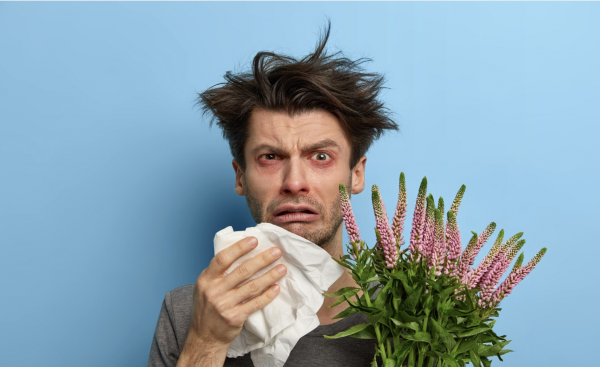
As strange as it may seem, sneezing is generally a good sign—it means your body is doing its job to protect itself.
By forcefully expelling irritants from the nasal passages, a sneeze helps keep potential threats like bacteria, viruses, or allergens from traveling further into your respiratory system. Some scientists even liken a sneeze to pressing a “reset” button for your nose, clearing the way for normal breathing.
That said, frequent or excessive sneezing could be a sign of an underlying issue. People with allergies, chronic sinus conditions, or sensitivities to environmental factors might find themselves sneezing far more than average. In these cases, it might be worth consulting a medical professional to get to the root of the issue and find some relief.
One important thing to remember is to never try to hold in a sneeze. While it might seem polite or practical in certain situations, suppressing a sneeze can actually be harmful.

There have been rare but real cases of injuries such as ruptured eardrums or strained muscles caused by people trying to stifle sneezes too forcefully. It’s always safer to let it out—ideally into a tissue or your elbow to prevent spreading germs to others.
In the end, though sneezing might feel like a mild nuisance, it's actually a clever and necessary function of your immune system. It’s your body's way of staying clean and healthy.
So the next time you sneeze, take a moment to appreciate this fascinating and essential reaction—and maybe enjoy the simple ritual of someone nearby saying, “Bless you.”


