

Famous Introverts and the Lessons We Can Learn From Them
On Being an Introvert
Before we dive into a list of famous introverts and the valuable lessons we can learn from them, let's first address a common misconception: there’s absolutely nothing wrong with being an introvert. Unfortunately, introverts are often (incorrectly) labeled with traits like:
- Aloof
- Awkward
- Loners
- Nerdy
- Unfriendly
- Shy
- Strange
- Withdrawn
In reality, anyone, introverted or not, can exhibit these qualities at times. You might also find that you've become more introverted as you've grown older. This could be because you're simply more comfortable spending time alone, or perhaps your social circle has become smaller after college, or you work in a solo job that leaves you isolated during the day. Whatever the reason, it’s important to discard those misinformed labels and focus on the positive qualities that introverts often possess.
For example, introverts tend to:
- Make quick decisions and adapt easily to changing situations
- Appreciate their alone time and don’t feel lonely during it
- Focus deeply on tasks without distractions
- Handle situations independently and take responsibility
- Have fewer but deeper, more meaningful long-term friendships
- Listen intently when others need someone to talk to
- Require some "me time" after social activities or outdoor events
- Prefer indirect forms of communication, like texting over phone calls
- Stay calm and in control, even in stressful situations
- Thrive in one-on-one interactions
- Think carefully before acting or speaking
- Understand the bigger picture and how things connect
Some of these traits are obviously positive, while others simply reflect self-awareness. None of them are inherently negative or something you need to change.
Introverts vs. Extroverts in Business
Success in business is about making smart decisions and solving problems, not about being outgoing or social all the time. In fact, some of the most successful people aren’t extroverts at all. It's worth noting that most people exist on a spectrum, with a mix of introverted and extroverted traits. The key difference between the two types lies in where they draw energy from: introverts get energy from being alone, and extroverts get energy from being around others. For introverts, social interactions can be draining, and they need alone time to recharge, while extroverts thrive when surrounded by people.
8 Famous Introverts and What They Can Teach You
It's surprising, but some of the most famous and influential people in the world are introverts. While you might assume that success requires an outgoing personality, many accomplished individuals show us that introverts can thrive in their own ways. Here are 8 famous introverts and the valuable lessons we can learn from them:
Albert Einstein
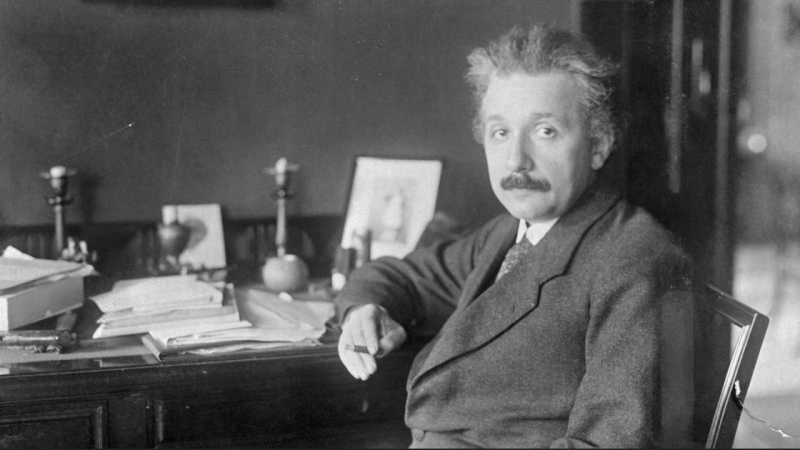
Not just one of the most brilliant scientists in history, but also a known introvert. Einstein believed that his creativity came from solitude. He famously said, “The monotony and solitude of a quiet life stimulates the creative mind.”
Lesson: Time spent alone can be the perfect environment for creativity to flourish.
Your Turn: Carve out some quiet time to allow yourself to think freely or work on creative projects. If you're unsure where to start, try meditating or freewriting for 15 minutes to let your mind wander.
Bill Gates
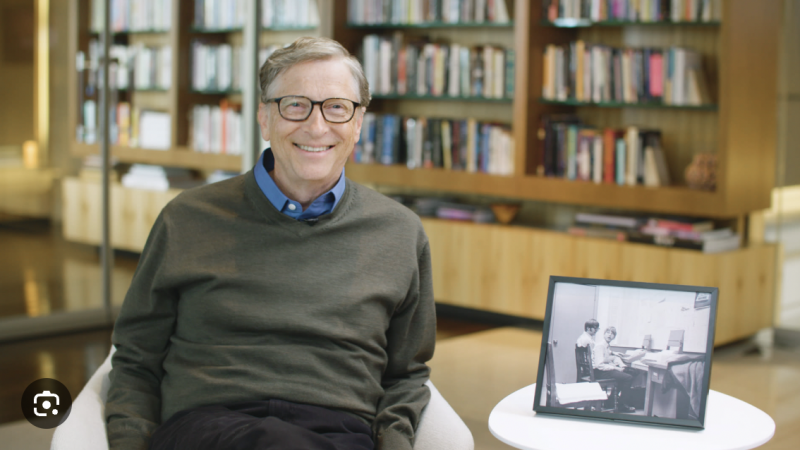
Bill Gates has spoken about how introverts can excel by leveraging their natural strengths. He suggests that introverts should take time for reflection and idea generation, then combine these strengths with the extroverted qualities of others (like hiring extroverts to handle public relations).
Lesson: There is no hierarchy between introverts and extroverts. Both have strengths that can complement each other, and businesses need both types to succeed.
Your Turn: Identify a weakness of yours and make a plan to address it. Whether that’s outsourcing certain tasks, like marketing, or improving your own skills (like public speaking), take proactive steps to overcome it.
Eleanor Roosevelt
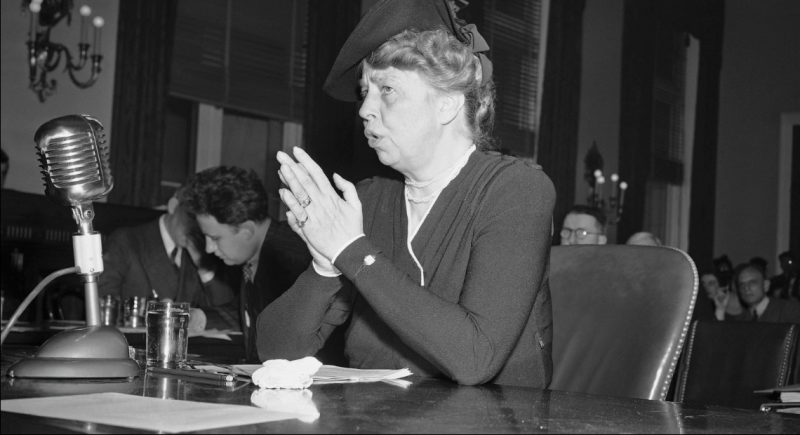
Despite her public persona—giving speeches, hosting press conferences, and engaging with the media—Eleanor Roosevelt was a true introvert. She believed that in order to be a good friend to others, you first need to be comfortable with yourself.
Lesson: Solitude can lead to greater empathy and a deeper understanding of others.
Your Turn: Identify three introverted qualities you admire in others, then make an effort to compliment others for those traits. You'll see how introverted qualities can help connect you to people.
Elon Musk
Elon Musk, while a successful entrepreneur, admitted that being in the spotlight and speaking publicly didn’t come naturally to him. However, he recognized that it was an essential skill for his role as the head of a company, so he worked on it.
Lesson: Like Bill Gates, Musk’s story shows that introverts can push through their discomfort and develop skills they initially find challenging.
Your Turn: Identify a specific challenge you’re facing, whether it’s public speaking or engaging in conversation at events, and learn everything you can about it. Being prepared is the first step in overcoming discomfort.

Emma Watson
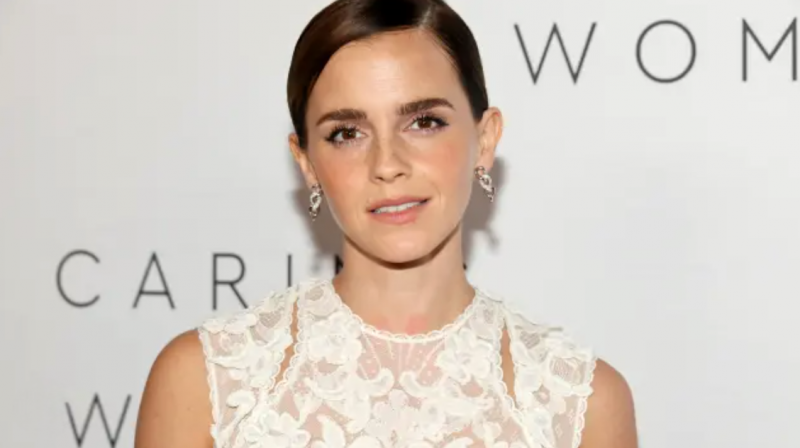
Actress Emma Watson, known for her roles in Harry Potter and her activism, has talked about how she’s naturally introverted and not inclined toward the party scene in Hollywood. She eventually came to accept her introverted nature and stopped feeling ashamed of it.
Lesson: Embracing your introverted qualities can help you stay true to yourself and lead you to be the person you want to be.
Your Turn: Reflect on an introverted trait you might feel self-conscious about. Now, think of ways it’s actually benefited you. How can it help you succeed moving forward?
J.K. Rowling
J.K. Rowling, the author of Harry Potter, is a perfect example of how introverts often find their creativity in solitude. She famously came up with the idea for Harry Potter during a solo train ride. Even when faced with shyness and a broken pen, she kept writing in her mind.
Lesson: Even when shy or facing obstacles, you can still move forward with the work that matters to you most.
Your Turn: If you're facing a challenge, like public speaking or shyness, continue focusing on the important work that moves you. Avoid distractions and push through, even if it’s uncomfortable.
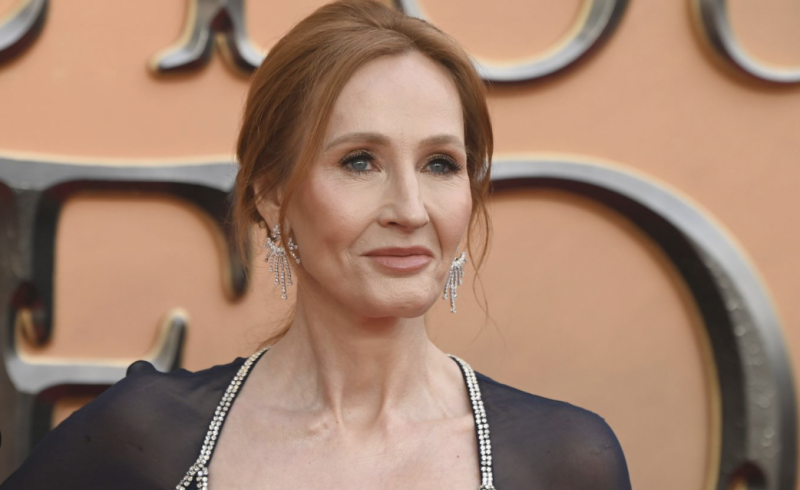
Meryl Streep
Academy Award-winning actress Meryl Streep, like many actors, is an introvert. To manage situations where she must be social or perform, she uses visualization techniques and reminds herself of her inner strength.
Lesson: You’re not bound by your introverted qualities. Pushing through fear is sometimes necessary to overcome your limitations.
Your Turn: The next time you find yourself in a challenging situation, try acting like someone you admire—someone who excels in that setting. By pretending, you'll prove to yourself that you can handle it too.
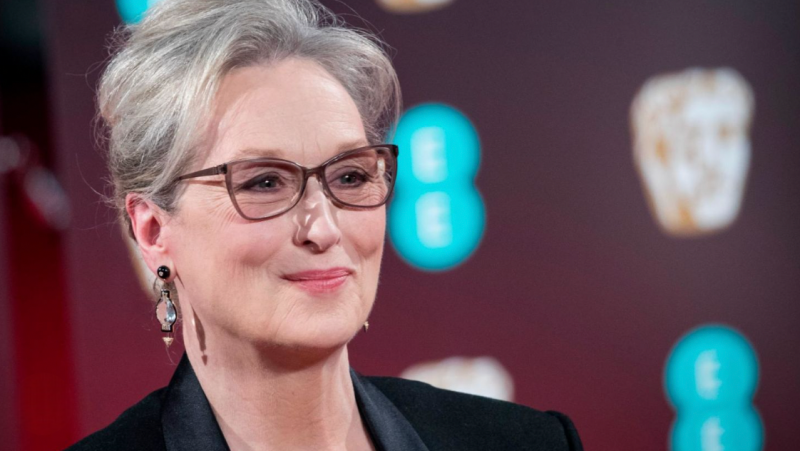
Warren Buffet
One of the wealthiest individuals in the world, Warren Buffet, has always preferred solitude, which has helped him focus deeply and make wise decisions, particularly in times of crisis.
Lesson: Introverts are often in the best position to stay calm and make rational decisions when others panic.
Your Turn: When facing a tough decision, resist joining the crowd in a panic. Take time to think things through in solitude and come to a thoughtful conclusion.

Final Thoughts
There’s no need for an introvert to force themselves to become an extrovert. It simply won’t work in the long run. Instead, consider the traits you admire in extroverts and work to develop those qualities. By embracing your introverted nature and allowing for the space you need to recharge, you can feel confident and open when the situation calls for it. Remember, everyone’s personality is a mix of both introverted and extroverted traits—you can adapt and grow however you see fit, without needing to fit into a rigid label.


