

Inside the world’s most dangerous countries in 2025
As of 2025, Yemen stands as the most dangerous country in the world, according to the Global Peace Index (GPI), which evaluates nations based on levels of conflict, societal safety, and militarization. With a GPI score of 3.397, Yemen reflects an extremely high level of unrest and instability.
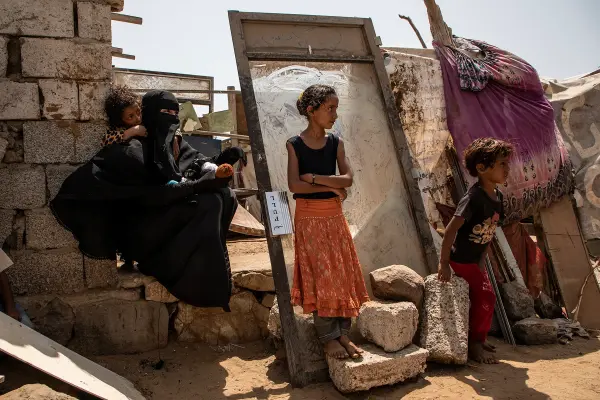
The ongoing civil war, which began in 2015, has devastated the nation. The prolonged conflict between the government and Houthi rebels has resulted in countless casualties, widespread displacement, and a humanitarian catastrophe.
The situation in Yemen has reached catastrophic levels. More than 80% of its population, approximately 24 million people, urgently require humanitarian aid. Severe hunger affects 17.6 million individuals, including millions of malnourished children and mothers. The ongoing war has displaced roughly 4.5 million people, further straining an already fragile state.
While Yemen tops the list, several other countries also face extreme levels of danger. Sudan, enduring conflict and humanitarian crises since 2015, suffers from famine and infrastructure breakdowns.
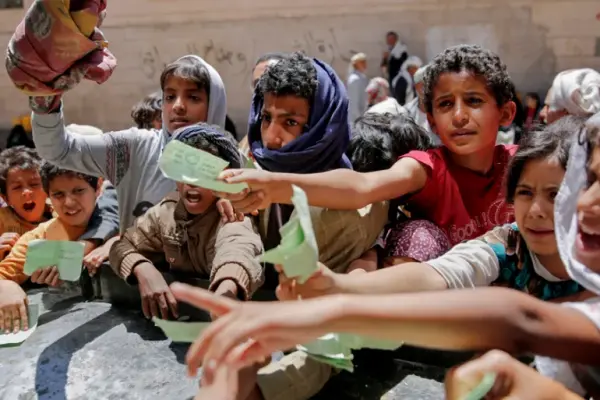
South Sudan, despite being the world’s youngest nation, continues to struggle with internal strife and human rights issues. Afghanistan, though it has seen some changes, remains marred by internal conflict and terrorist threats.
The war in Ukraine has resulted in significant loss of life and widespread displacement, contributing to the country's low safety ranking. In the Democratic Republic of the Congo, decades of conflict, especially in the eastern regions, have displaced millions and created a dire humanitarian situation.
Russia's involvement in the conflict with Ukraine, along with internal security concerns, also places it among the least peaceful countries.
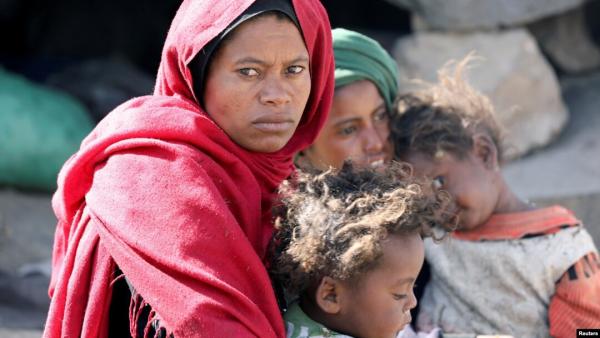
Syria, embroiled in civil war since 2011, has suffered over 400,000 deaths and widespread displacement, making it one of the most dangerous places on earth. Mali is another country grappling with insurgency and political instability, which has seriously compromised its national security.
These countries reflect the harsh realities of prolonged violence, fragile governance, and humanitarian crises. Global efforts aimed at addressing these root causes are essential for achieving peace and ensuring the safety and well-being of millions of affected individuals.


