

The Global Learning Crisis Affecting Children Worldwide: How Millions of Children Are Going to School but Not Learning
Learning poverty, a term that refers to the inability of children to read and understand a simple text by the age of ten, has become one of the most pressing global issues in education today. The challenge goes far beyond enrollment numbers — millions of children are attending school but are not acquiring even the most basic literacy and numeracy skills needed to progress.
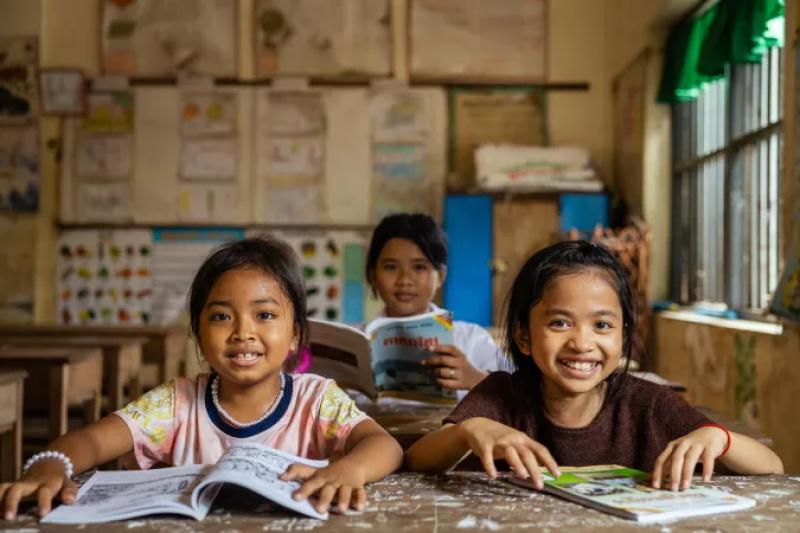
Even before the COVID-19 pandemic, this crisis was widespread. In low- and middle-income countries, more than half of all 10-year-olds were already unable to meet basic reading standards. When the pandemic struck, it severely disrupted education systems across the world.
School closures, limited access to remote learning, and broader social and economic stresses pushed this already troubling figure to nearly 70%. The scale of this learning loss is unprecedented, and its consequences are likely to be long-lasting. Economists estimate that the global economic cost of these losses could reach as much as $21 trillion in lifetime earnings, a staggering impact on productivity and economic development.
The situation is particularly severe in regions like sub-Saharan Africa, Latin America, and parts of South Asia. In these areas, students have faced compounded disadvantages — not only long school closures, but also deep-rooted inequities in education quality, infrastructure, and access to learning resources.
Children from disadvantaged backgrounds, such as those living in poverty, rural areas, or marginalized communities, have been hit hardest. These students often lacked reliable internet access, digital devices, or adult support during periods of remote education, further widening the learning gap.
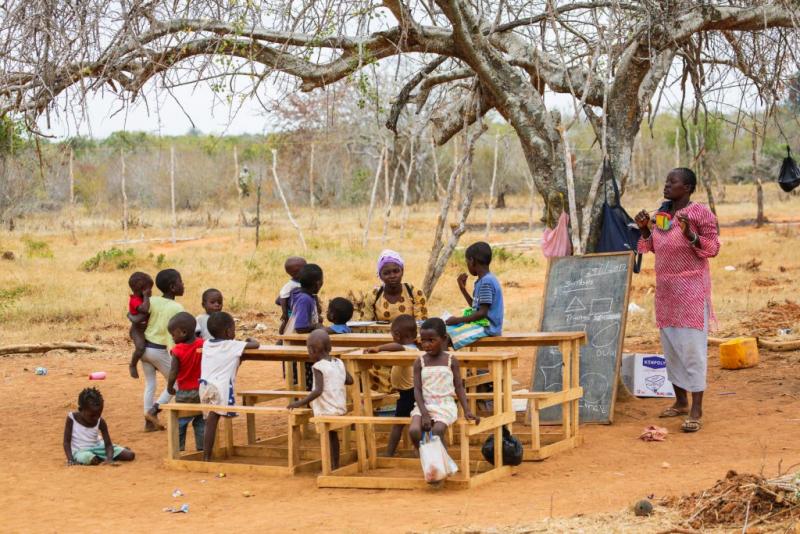
However, the roots of the problem run deeper than the pandemic. In many countries, education systems were already under strain, with outdated teaching methods, limited monitoring of learning outcomes, and insufficient focus on foundational skills.
The pandemic didn’t create these issues — it exposed and worsened them. Additionally, other overlapping factors like household economic instability, poor nutrition, health issues, and mental stress have also played a role in preventing children from fully engaging in education, whether in person or online.
The implications of failing to address this crisis are severe. Foundational learning — the ability to read, write, and do basic math — is critical for success later in life. Children who fall behind early often never catch up. Without these skills, they struggle with more complex subjects, are more likely to drop out of school, and face limited opportunities in the job market. On a national scale, this leads to a weaker workforce, lower economic growth, and greater inequality.
In response, experts and organizations are calling for urgent and targeted interventions. One of the most effective strategies involves accelerated or remedial learning programs, which help students regain lost ground through focused instruction on the basics.
These programs, if properly implemented, can significantly improve reading and math outcomes in a relatively short period of time. But they require trained teachers, proper assessment tools to identify who needs help, and resources to scale them effectively.
Another key solution is to prioritize foundational learning in early grades. Educational systems must shift focus toward ensuring every child masters basic literacy and numeracy before moving on. This involves improving curriculum, investing in teacher training, and ensuring schools have the materials and infrastructure needed to support quality learning environments.
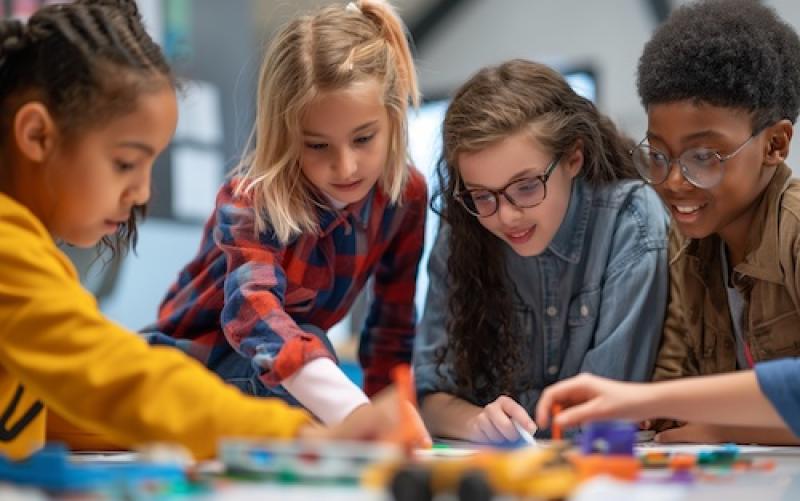
Frequent assessment is also essential. Rather than relying solely on attendance or enrollment data, systems should measure whether students are actually learning. With accurate data, education leaders can make informed decisions about where to direct resources and which students need extra help.
Equity must also be a core principle in education recovery. That means closing the digital divide, supporting children in underserved communities, and providing inclusive learning environments for students with disabilities or language barriers. Teachers will need continued support and professional development, particularly in skills like differentiated instruction and remote teaching.
In many cases, extended learning time — such as after-school sessions or summer programs — can help compensate for what was lost. But to make these efforts effective, they must be accessible, well-managed, and adapted to the needs of the children they serve. Beyond the classroom, collaboration across sectors — including health, nutrition, and social protection — is crucial. A hungry or unwell child simply cannot learn effectively, no matter how good the lesson plan may be.
Recent research using global learning assessments has confirmed that the decline in student performance since 2020 is both widespread and deep, especially among disadvantaged students. These trends, if left unaddressed, will have ripple effects not only on individual futures but on the development potential of entire countries.

To turn things around, governments and institutions must act quickly and decisively. First, they need to identify where the needs are greatest — both in terms of geography and demographics.
Then they must invest in smart, scalable programs that address the core problems: poor learning outcomes, inadequate teaching, and lack of support for the most vulnerable children. Recovery efforts must be long-term and integrated into national development plans, because education is not isolated — it is intertwined with health, poverty, governance, and economic resilience.
The education crisis we face is not just one of lost time, but of lost potential. Without urgent action, millions of children will grow up without the tools they need to succeed, and societies will bear the consequences for decades. But with focused effort, smart policies, and equitable investments, there is still a path forward — one that ensures every child, no matter where they live, has a real opportunity to learn and thrive.


