The invention of the umbrella: Who and why?
Umbrellas are one of those everyday objects that many of us take for granted—something we grab when it rains or when the sun's heat becomes unbearable.
Yet, the umbrella has a fascinating history that stretches back thousands of years. It's not just a simple tool to keep us dry; it has evolved from a symbol of power and status to an indispensable item in our daily lives. But who invented the umbrella, and why did it come into existence?
The earliest evidence of umbrellas dates back to ancient civilizations, where they were used not just for protection against the weather but also as a symbol of authority and prestige.
While the umbrella as we know it today is a far cry from its ancient counterparts, its origins are deeply rooted in history.
The first known umbrellas appeared in ancient Egypt around 4,000 years ago, though they were quite different from the modern versions. In Egypt, umbrellas were made of palm fronds or other materials that provided shade from the sun.
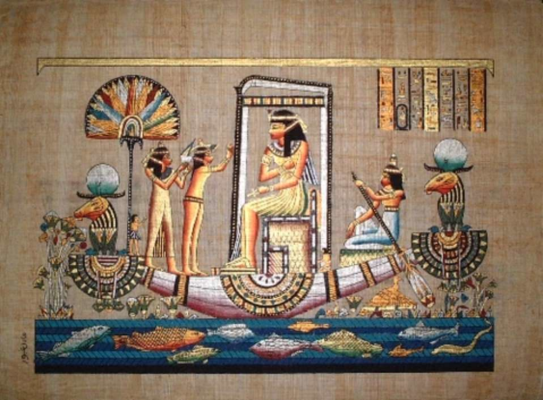
Pharaohs and other important figures would use them as a way to protect themselves from the harsh desert heat, but they were also a symbol of their elite status. The Egyptian god Horus was depicted with a parasol-like object, symbolizing his power and divine protection.
However, these early umbrellas were used primarily for sun protection, not rain. It wasn’t until later that umbrellas began to be designed for use in wet weather.
The umbrella as we know it—designed to shield us from rain—has its roots in ancient China. The Chinese are credited with developing the first true rain umbrellas around 1,000 BCE. They constructed them using bamboo and silk, which made them both lightweight and durable. The concept was practical for people seeking shelter from both sun and rain.

The umbrella became a symbol of status in China, too. Royalty and the wealthy would use elaborate, decorated umbrellas, often made from high-quality materials like silk. These umbrellas were designed not just for practical use but as a statement of class.
The umbrella spread from China to other parts of the world over time, with ancient Greece and Rome adopting it. In fact, the word “umbrella” itself comes from the Latin word umbra, meaning "shadow," which reflects its primary purpose as a shade provider.
In these civilizations, the umbrella was still largely a luxury item for the rich and powerful, used to shield individuals from the sun.
The Roman philosopher Seneca even wrote about the umbrella, mentioning that it was used by women in public, often accompanied by a servant. The use of umbrellas in public spaces continued into the Byzantine Empire, where they were used in religious ceremonies and to signify authority.

The umbrella finally made its way to Europe during the 16th century, but it wasn’t immediately embraced by everyone. Initially, it was seen as a strange foreign object. It was not until the 17th century that umbrellas started to gain popularity in European society.
In France, the umbrella became fashionable after it was introduced by the famous explorer and diplomat Jean Chardin, who had traveled to Persia. The umbrella began to take on its modern form, made with a collapsible structure that could be easily stored and carried. In Europe, it was considered a practical tool for both sun and rain.

While the umbrella had been used for centuries, it wasn’t until the 19th century that the umbrella truly became what we recognize today. In 1852, a British inventor named Samuel Fox made a pivotal improvement: he invented the steel-ribbed umbrella.
Prior to Fox’s innovation, umbrellas were made with wooden or whalebone ribs, which were not as durable or flexible. The steel ribs allowed for a more lightweight, compact, and sturdy design, making the umbrella much more practical for daily use.
Fox’s invention revolutionized the umbrella industry and led to its widespread use in the UK and eventually across the world. He also patented a version with a folding mechanism, making it easy to carry and store.

The primary reason the umbrella was invented was to provide protection from the elements—whether it was the harsh sun or rain. In ancient times, it was mostly about sun protection.
As civilizations advanced, people realized the value of having a tool to shield them from both heat and rain, especially in regions where monsoon seasons or unpredictable weather patterns prevailed.
In addition to its practical function, the umbrella also served a cultural and social purpose. It was a symbol of status, protection, and even divine authority. In many ancient societies, having an umbrella was a sign of wealth and importance, something reserved for the elite or the powerful.
Moreover, the umbrella’s evolution into the compact, portable form we use today makes it a perfect accessory for modern living—whether shielding us from rain on a dreary day or keeping the sun off us during a summer stroll.

From ancient Egypt to modern-day cities, the umbrella has evolved from a symbol of status and power to a practical tool used by millions daily. Its invention was driven by a need for protection from the sun and rain, but its widespread use was facilitated by improvements in design and material over the centuries.
Today, it is one of the most common and indispensable accessories around the world, a true testament to the creativity and ingenuity of those who sought to improve life by staying dry—or cool—no matter the weather.
The next time you reach for your umbrella, remember that it's not just a tool for keeping you dry—it's a piece of history!