
The story of pasta: Its benefits, drawbacks, and surprising facts
Pasta is one of the most cherished foods globally, loved for its delicious taste, adaptability, and ease of preparation. From a comforting plate of spaghetti to a rich lasagna, pasta has become a key component in many cuisines, especially Italian.
While it offers numerous benefits, it also has its share of drawbacks. This article explores the pros, cons, and intriguing facts about pasta.

Pasta is typically made from durum wheat semolina or flour, combined with water or eggs and shaped into various forms. The dough is then boiled, creating the base for a wide variety of dishes, often topped with sauces like tomato-based marinara or creamy Alfredo. There are hundreds of pasta shapes, including spaghetti, penne, fusilli, and ravioli.
One of pasta's main advantages is its high carbohydrate content, providing a vital source of energy for the body. This makes pasta an excellent choice for fueling the body, particularly for athletes or those needing sustained energy throughout the day.
Whole-grain varieties offer even more benefits, as they contain fiber that aids digestion and provides a slower, more consistent release of energy.
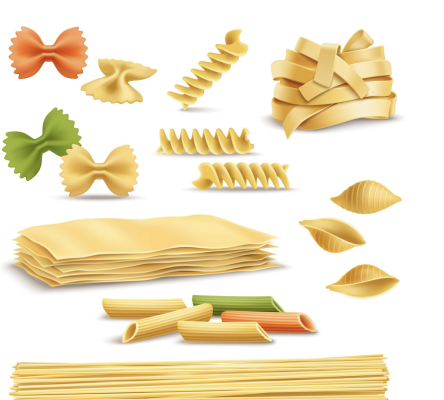
Another key benefit of pasta is its versatility. It can be paired with a wide range of sauces, meats, vegetables, and cheeses, allowing for endless meal possibilities. Whether preparing a quick dinner or a more elaborate dish, pasta can easily adapt to different tastes and preferences.
Certain types of pasta, particularly those made with eggs, offer a higher protein content compared to traditional pasta. This makes them a good option for those looking to increase their protein intake without relying on animal-based products.
Additionally, pasta made from whole grains or legumes, such as lentils or chickpeas, provides added nutritional value, including extra fiber and antioxidants, contributing to overall health when consumed in moderation.
Pasta is also a quick and simple dish to prepare. It typically takes between 8 and 12 minutes to cook, making it a convenient choice for busy individuals or families in need of a fast meal.
However, pasta also comes with its disadvantages. One significant downside is its calorie density. While pasta provides energy, overeating can lead to excess calorie consumption, which may contribute to weight gain if not balanced with physical activity.
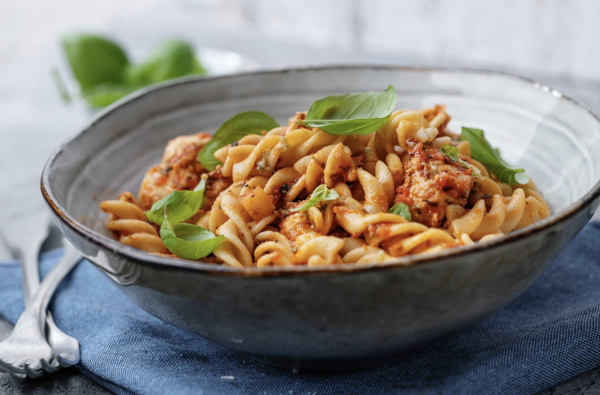
Traditional pasta, made from refined flour, tends to have a high glycemic index (GI), which means it can cause rapid spikes in blood sugar levels. This can be a concern for individuals with diabetes or those trying to maintain stable blood sugar levels. Opting for whole-grain or legume-based pasta can help address this issue.
Regular pasta made from refined flour also lacks many of the vitamins and minerals found in whole grains. While it provides energy, it doesn't offer much else in terms of nutritional value. To make pasta a healthier option, choosing whole wheat or enriched varieties can help add more nutrients to your diet.
Additionally, pasta dishes are often accompanied by high-fat and high-sugar sauces or toppings, such as creamy Alfredo or sweet marinara. These additions can diminish the health benefits of pasta, particularly when consumed frequently.
Pasta has been enjoyed for centuries, with its origins often debated. While many associate it with Italy, evidence suggests that forms of pasta were being made in ancient China and even in Ancient Rome.
The pasta we know today was likely introduced to Italy by the Arabs during their conquest of Sicily in the 9th century, bringing with them dried pasta, which evolved into the variety we see today.
Italy alone boasts over 600 different types of pasta, with each shape designed to complement particular sauces or cooking methods. Small shapes like orzo are ideal for soups, while long strands such as spaghetti are best paired with lighter, oil-based sauces.
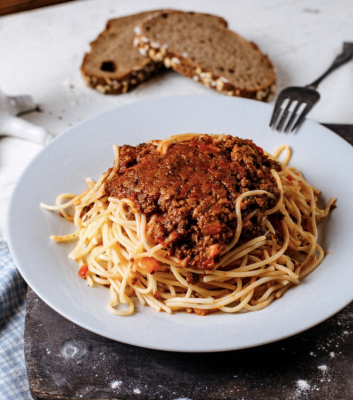
The world record for the largest pasta dish ever made was set in 2017 in Rome, where chefs prepared a colossal batch of pasta weighing around 15 tons. This massive dish was made with spaghetti and topped with an enormous amount of tomato sauce.
For those with dietary restrictions, it's important to note that traditional pasta contains gluten. However, gluten-free pasta made from rice flour, corn flour, quinoa, or chickpeas offers an alternative for individuals with celiac disease or gluten intolerance.
In conclusion, pasta is a delicious, adaptable dish that can be part of a balanced diet. However, like any food, it should be consumed in moderation, especially when paired with high-calorie or high-fat sauces.
By choosing healthier options, such as whole-grain or legume-based pasta, individuals can enjoy pasta while reaping its nutritional benefits. When eaten mindfully, pasta can remain a staple in a healthy and satisfying diet.