The twin Who wasn't invited: How my brother's wedding made me question my Place in the Family
My twin brother and I used to be inseparable—until he threw an engagement party that shattered everything I thought I knew about our bond. What I discovered afterward made it impossible to ever see my family the same way again.
I always believed the connection between twins was unbreakable. But my brother completely excluded me from his engagement party without any real explanation, leaving me no choice but to respond in the only way I knew how.
Growing up, we were glued at the hip. My name’s Aaron. I’m 28, and my twin brother is Dylan. We were the classic opposites: I was the shy, introverted nerd with glasses, always buried in a book or coding project, while Dylan lit up every room with his charisma and natural athleticism.
We were yin and yang—but best friends above all. We had each other’s backs and genuinely loved spending time together.
That started to change in college.

Dylan stayed close to home in Arizona, while I moved to Portland to study computer science. I fell in love with the city—the coffee, the rain, the quirky bookstores. After graduating, I built my life there.
I made great friends, landed internships, then a job in tech that I loved, and eventually met my girlfriend, Megan, who’s been my rock for over a year and a half now.
Despite the distance, I always stayed close to my family. I flew home for every holiday, every birthday, every major milestone. So when Dylan announced his engagement on Instagram last year after three years of dating, I was thrilled.
I texted him right away: “Congrats, man! I’m so happy for you!”
He replied and said they were planning an engagement party in about six to eight weeks. I asked him to let me know the date ASAP so I could book a flight.
But the date never came.
Weeks passed… nothing.
Every time I asked, my parents would say, “They’re still figuring it out,” or “Don’t worry, they’ll let you know.”
Eventually, weeks later, I texted Dylan directly to ask again—figuring the party had to be soon. I was pushing because I didn’t want to book a last-minute flight or deal with work conflicts.
No reply. Total silence.
Worried, I called my mom to ask if she’d heard anything.
“It’s not really an engagement party,” she said. “Just a small dinner with close family. You don’t need to fly out.”
That felt off—and my gut told me something wasn’t right.
A week later, my favorite aunt—the one who’s like a second mom to me—messaged, disappointed that I hadn’t made it to the party. I replied, confused: “What party? You mean Dylan’s little dinner?”
She sent a photo.
Dylan and his fiancée, Hailey, had rented out an entire restaurant. There were around 80 people there—friends, cousins, people we grew up with. Everyone was there.
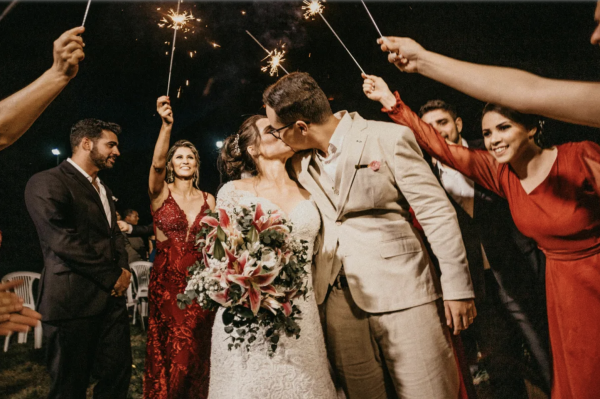
Except me.
When I told my aunt I’d never been invited, she was stunned. Apparently, everyone had been told I “couldn’t make it.”
And then the backpedaling began. Messages from Dylan and my parents flooded in:
“It was a misunderstanding.”
“It wasn’t that big of a deal.”
“It was a mistake.”
But I knew better. This wasn’t an oversight. I had been deliberately excluded. I could feel it in my bones.
I started second-guessing everything. Did Hailey feel uncomfortable around me? Had I said or done something wrong? I kept obsessing—and one memory kept surfacing: the last time I visited, Hailey mistook me for Dylan.
She hugged me from behind and said, “There you are!” Then she froze, face pale, and stammered, “Oh my God—I thought you were Dylan!”
We laughed it off at the time. But maybe Dylan didn’t. Maybe it planted something—jealousy, insecurity, who knows. It would explain the sudden distance.
Still, I kept trying. At Christmas, the air was thick and tense. Nobody brought up the party. Conversations felt like filler, like people were trying to plug holes in a sinking ship. Easter was even worse.
When I came home for our sister Jamie’s birthday, I hoped for a breakthrough. Instead, she looked me dead in the eye and said:
“It’s because you moved so far away. It’s like you’re not really part of the family anymore. Everything feels weird with you now.”
It hit me like a punch to the gut. I left early, barely saying goodbye.
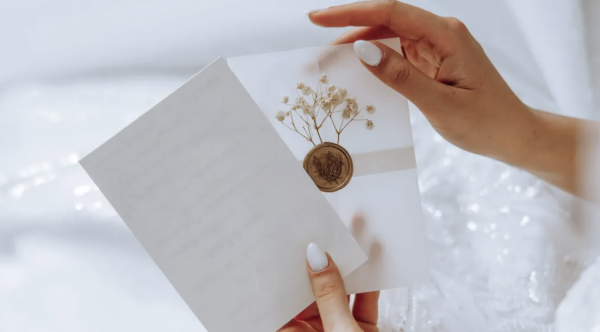
About nine months ago, I got the save-the-date for the wedding. Six months later, the formal invite arrived. No mention of being in the wedding party—which at that point didn’t even surprise me. But Jamie and our younger brother Kyle were.
Even Jamie got a plus-one for some guy she’d just started seeing—but I wasn’t allowed to bring Megan.
That stung more than I expected. Megan had met my family several times. She sent them gifts, baked cookies at Christmas, even helped Jamie out of a last-minute outfit crisis. And still, she wasn’t welcome.
The message was clear: I wasn’t really welcome either. I was included only for show.
I didn’t RSVP—but I didn’t decline, either.
When the wedding weekend rolled around, no one reached out ahead of the rehearsal dinner, which I clearly wasn’t expected to attend. But an hour before the ceremony, my phone blew up:
“Are you on your way?”
“Did your flight get delayed?”
“Where are you?”
I ignored them.

Then my phone rang. It was Mom. I let it ring, but eventually answered. Her voice cracked on the other end.
“Where the hell are you!?”
I took a deep breath.
“In Portland. Where it seems everyone prefers me to be.”
She gasped.
“It’s your brother’s wedding! How could you do this and ruin everything?”
I gripped the phone tightly.
“If it was so important, why didn’t anyone call when I missed the rehearsal dinner? Why didn’t anyone ask about my flight? Did no one notice I didn’t sleep in the guest room last night?”
Silence.
“You’re only upset because people noticed I wasn’t there—not because I’m actually missed. This is about appearances, not feelings.”
She tried to respond.
“No, Mom,” I cut in. “From the beginning, it was clear I wasn’t wanted. I wasn’t invited to the engagement party. I wasn’t in the wedding. Jamie told me I make things weird. You didn’t even give Megan a seat. Where was I supposed to sit if I showed up?”
More silence.
“I’m not stupid. I know when I’m being tolerated instead of accepted. So I stayed with the one person who actually wants me around—Megan. She likes having me close.”
I heard her breathing. But no words came.
“Tell everyone I said hi,” I added—and hung up.
The fallout was brutal.
I got messages calling me bitter, dramatic, selfish.
That night, Megan held me while I sat on the couch, a paused episode of New Girl frozen on the screen. I told her everything. How Dylan and I used to stay up until 3 a.m. building LEGO castles. How we shared a birthday cake with both our names in frosting. How I once took the blame for a broken window because he couldn’t stop crying. And how now… I was invisible to him.
She looked at me and said:
“They cut you out because they didn’t know how to handle what’s different. You didn’t change. They just didn’t want to adapt.”
That stuck with me.
Because I didn’t become someone new. I just stopped bending over backwards to be accepted by people who only loved the version of me that lived within 10 miles.
Maybe I made things uncomfortable. Maybe having a twin who didn’t fit the family mold was too weird for them. But I never stopped showing up. They just stopped wanting me to.
It hurts—I won’t pretend it doesn’t. I miss them every day. Every wedding photo, every smiling face reminds me of the place I used to have.

But I’m learning to let go. To accept that sometimes, even your own family can decide there’s no longer room for you in their lives.
I’m still the Aaron who stayed up helping Jamie with math. Who gave Kyle his first Nintendo. Who picked Dylan’s prom tux when he couldn’t choose between two colors.
But I’m also the Aaron who loves Portland. Who fell for someone kind, funny, and endlessly supportive. Someone who built a life from scratch and kept showing up—even when no one else did.
And that version of me deserves to be seen. So now, I move forward with the people who do see me.