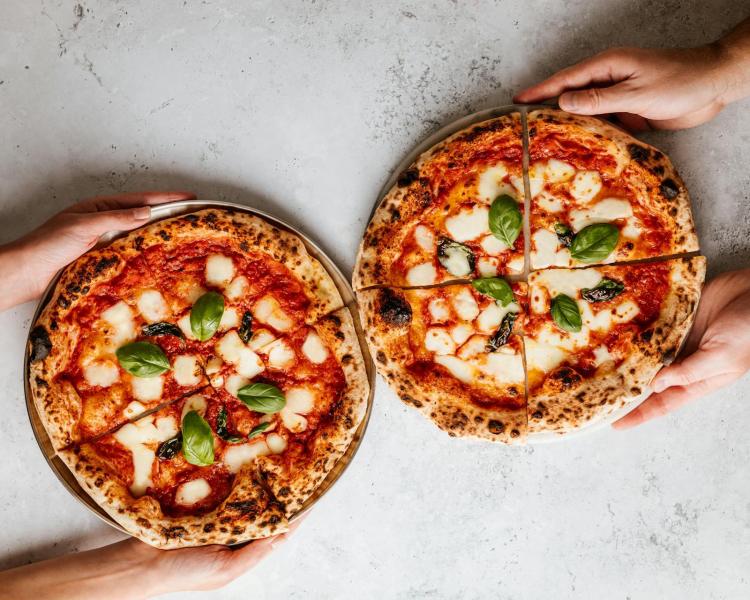
The Universal Favorite: Pizza — Is It Healthy or Not?
Pizza is one of the most beloved foods worldwide. From New York to Naples, and Tokyo to São Paulo, almost everyone has enjoyed a slice of this cheesy, saucy, doughy delight at some point. But while it’s a go-to comfort food for many, the question remains: Is pizza healthy?
Why Do People Love Pizza?

Pizza’s appeal lies in its perfect combination of flavors and textures. The crispy, chewy crust provides a satisfying base, topped with tangy tomato sauce, gooey melted cheese, and endless possible toppings—pepperoni, vegetables, olives, mushrooms, and more. It’s customizable, shareable, and easy to find almost anywhere.
The Nutritional Breakdown
At its core, a typical slice of pizza includes:
Carbohydrates from the crust (usually made from refined flour)
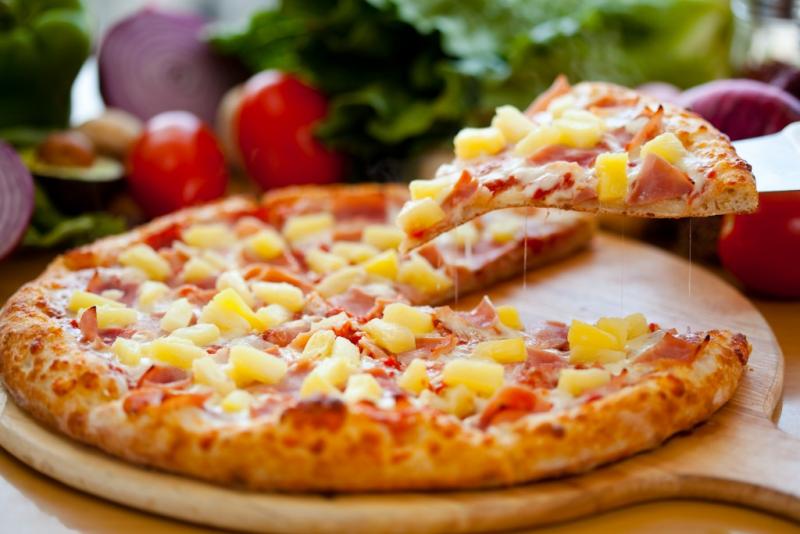
Fats and protein mainly from cheese and any meat toppings
Vitamins and minerals from tomato sauce and vegetable toppings
On paper, pizza offers a mix of macronutrients. However, many common pizza varieties can be high in calories, saturated fats, sodium, and refined carbs.
Is Pizza Healthy?
It depends. The healthiness of pizza largely hinges on the ingredients and portion size.
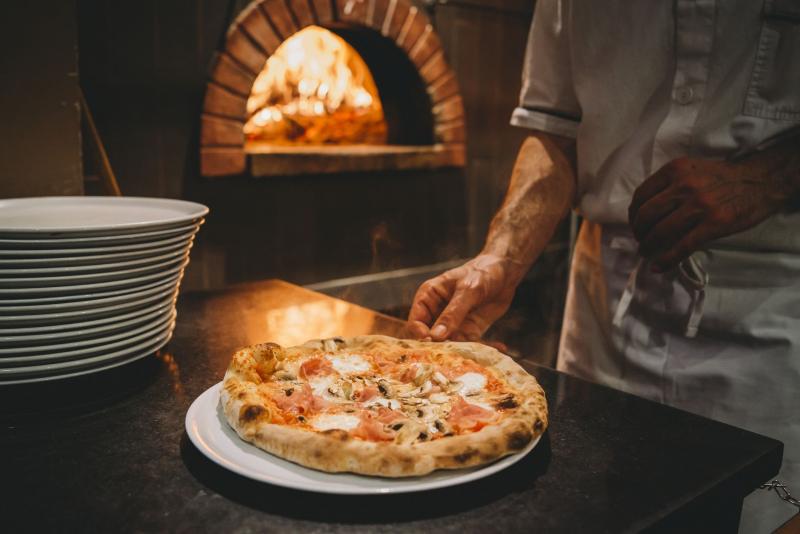
Traditional Fast-Food Pizza: Often high in processed meats (like pepperoni and sausage), extra cheese, and refined white flour crust, these pizzas tend to be calorie-dense and high in saturated fat and sodium. Consuming these regularly can contribute to weight gain, high blood pressure, and other health issues.

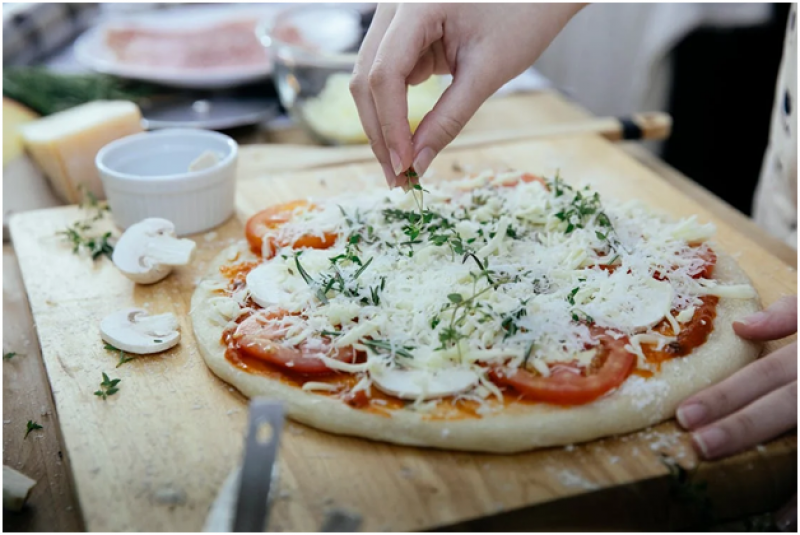
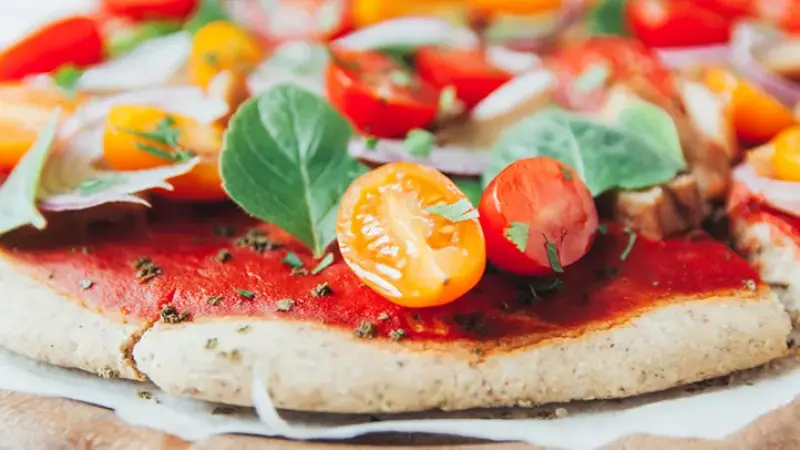
Homemade or Artisan Pizza: When made with whole grain crusts, fresh veggies, lean proteins (like grilled chicken), and moderate cheese, pizza can be a balanced meal. The tomato sauce provides antioxidants like lycopene, and vegetable toppings add fiber and vitamins.
Portion Control Matters: Eating one or two small slices with a side salad is much healthier than bingeing on multiple large slices loaded with meat and cheese.
Tips for a Healthier Pizza
Choose whole grain or cauliflower crusts for more fiber.
Load up on veggies like spinach, bell peppers, onions, and tomatoes.
Opt for lean proteins such as grilled chicken or skip meat toppings altogether.
Go light on cheese or try part-skim mozzarella.
Watch the portion size—stick to 1–2 slices per meal.
Pair pizza with a side salad or broth-based soup to add nutrients and reduce calorie density.
Pizza doesn’t have to be a guilty pleasure. When made thoughtfully, it can fit into a healthy diet. The key is balancing ingredients and enjoying it in moderation. Like many comfort foods, pizza can be both delicious and nutritious with the right approach.