The Birth of Project Management: When and Why Project Managers Became Essential
The concept of managing projects is not new; humans have been organizing large efforts for thousands of years, from the construction of the Egyptian pyramids to the building of the Great Wall of China.
Although the individuals overseeing these monumental tasks were not called “project managers,” they carried out many of the same responsibilities we associate with the role today, such as coordinating resources, scheduling activities, and leading teams.
However, the formal recognition of project management as a distinct discipline emerged much later, particularly during the Industrial Revolution in the 18th and 19th centuries. This era introduced unprecedented levels of complexity in work, with factories producing goods on a mass scale and supply chains becoming more intricate.

Managing such vast operations required more structure and oversight, which led to the rise of supervisory roles. Still, the idea of a project manager as a specialized professional was not yet fully developed, as many tasks involved repetitive, ongoing work rather than temporary, goal-driven projects.
The true foundation of modern project management took shape in the early 20th century, especially in industries like engineering, construction, and defense. The principles of scientific management introduced by Frederick Taylor helped lay the groundwork by focusing on efficiency and workflow optimization.
World War II accelerated the need for specialized project management, particularly with large and complex military efforts like the Manhattan Project. This secretive and highly coordinated initiative involved thousands of personnel working under tight deadlines, demanding advanced planning and control techniques.

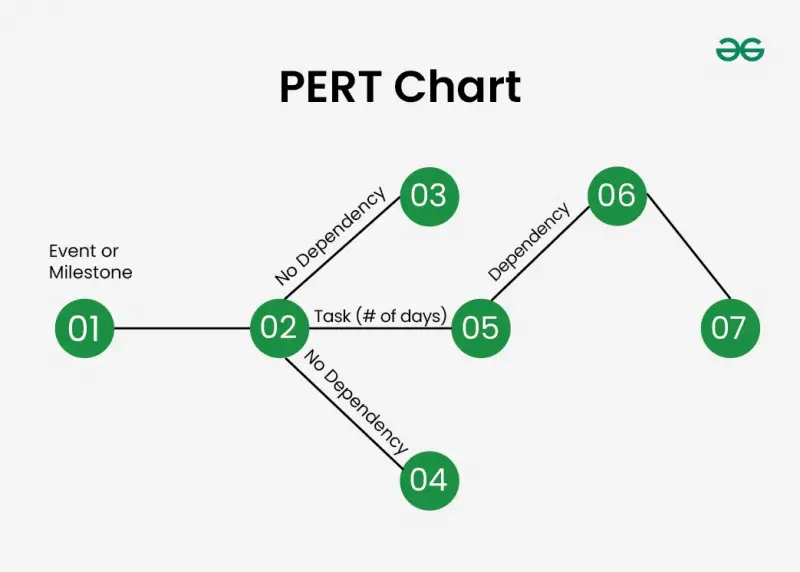
In the 1950s, methods such as the Critical Path Method (CPM) and Program Evaluation and Review Technique (PERT) were developed to handle the intricate scheduling and task dependencies found in large-scale projects.
Several factors contributed to the necessity of project managers. The growing complexity of projects made it impossible for general managers or department heads to handle every detail. Since projects are unique and temporary, they require dedicated oversight from start to finish.
Additionally, modern projects often span multiple departments and disciplines, making cross-functional coordination essential. The pressure to deliver projects on time and within budget also called for specialists who could manage resources efficiently and mitigate risks.
Project managers provide a central point of accountability and ensure clear communication among all stakeholders, from team members to clients.

By the latter part of the 20th century, project management had emerged as a recognized profession. It developed standardized frameworks like PMBOK and PRINCE2, along with certification programs such as PMP.
Dedicated software tools further enhanced project managers’ ability to plan and control complex initiatives. Today, project managers play a vital role in a wide range of fields including IT, construction, marketing, and healthcare.

In essence, the role of the project manager came into being because of the growing demands for managing increasingly complex and temporary projects.
As society shifted away from repetitive production toward unique, goal-oriented work, the need for someone to oversee the entire project lifecycle became clear.

Project managers bridge the gap between vision and execution, ensuring projects meet their objectives on schedule and within budget.
Their role is crucial for the successful completion of the multidisciplinary and collaborative efforts that shape our modern world.